What is the kitesurfing capital of the world? Morocco 2026 GUIDE
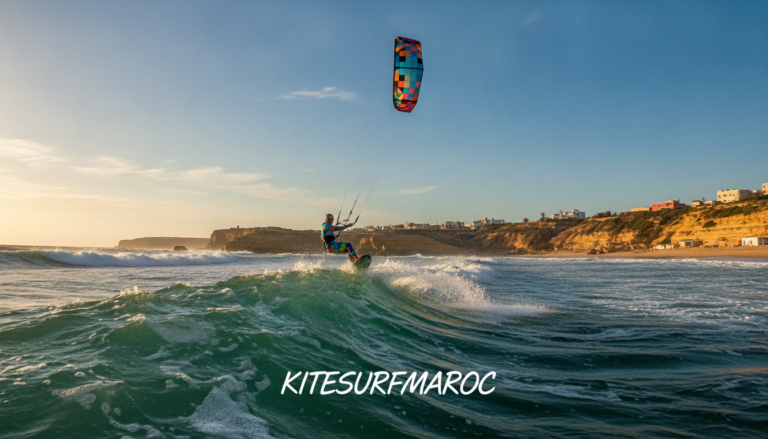
When considering top kitesurfing destinations, Morocco stands out as a serious contender for 2026. With around 3,000 kitesurfing spots globally, only a few can match its unique offerings. This country combines reliable trade winds, stunning Atlantic waves, and serene lagoon sessions, making it a paradise for riders of all levels.
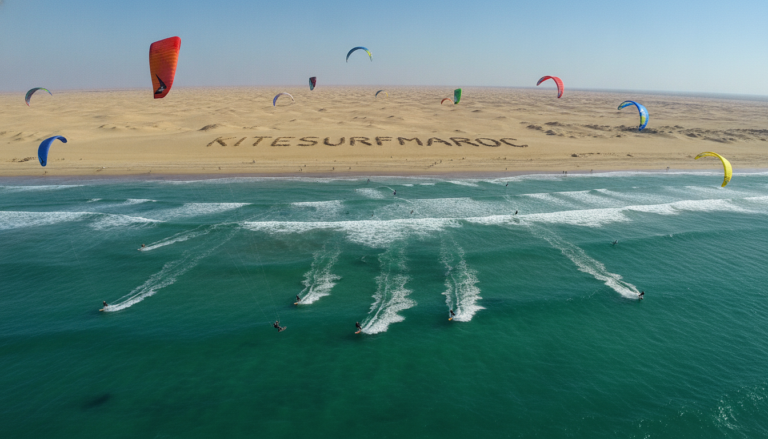
Dakhla features a breathtaking 40-kilometer-long lagoon, perfect for both beginners and advanced enthusiasts. In contrast, Essaouira offers a vibrant cultural experience with its UNESCO-listed old town and scenic coastal riding environment. These locations not only provide thrilling activities but also cater to non-kiting companions.
As you explore Morocco, you’ll find that KITESURFMOROCCO and KITESURF MAROC play a significant role in shaping the experience for everyone. From seasonal planning to equipment choices and safety tips, this guide will help you navigate your 2026 adventure seamlessly.
Key Takeaways
- Morocco is a top contender for kitesurfing in 2026.
- It features exceptional spots like Dakhla and Essaouira.
- Reliable trade winds and diverse conditions cater to all skill levels.
- KITESURFMOROCCO and KITESURF MAROC enhance the kitesurfing experience.
- Planning for seasonal conditions is crucial for a successful trip.
Introduction to Kitesurfing in Morocco
Morocco offers an unparalleled blend of adventure and culture, making it a top choice for kitesurfing in 2026. The country features stunning landscapes that include sandy beaches, historic cities, and vast desert expanses. This diverse environment creates an ideal setting for both dedicated riders and those who prefer exploring.
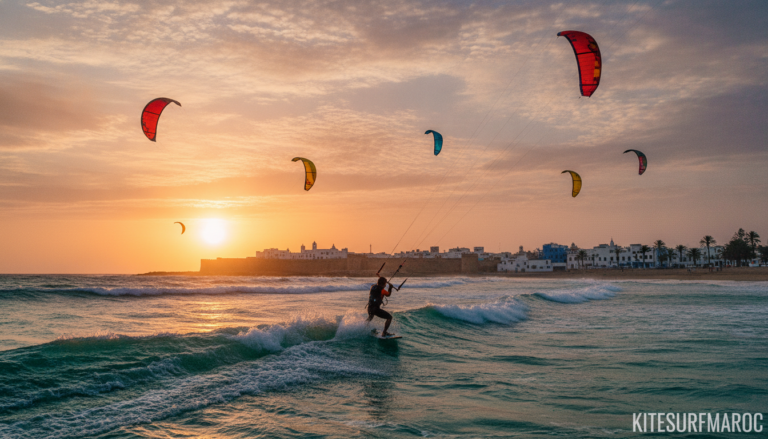
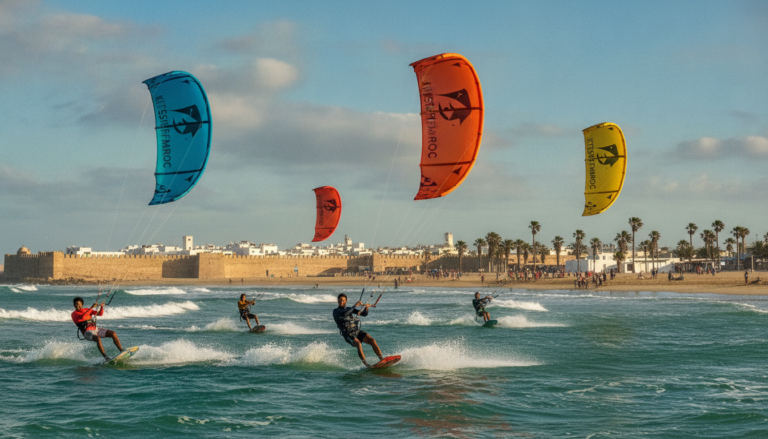
Essaouira stands out with its UNESCO-listed old town, where travelers can enjoy kitesurfing alongside rich architecture, vibrant markets, and delicious food. This unique combination allows visitors to experience both the thrill of riding and the charm of local culture.
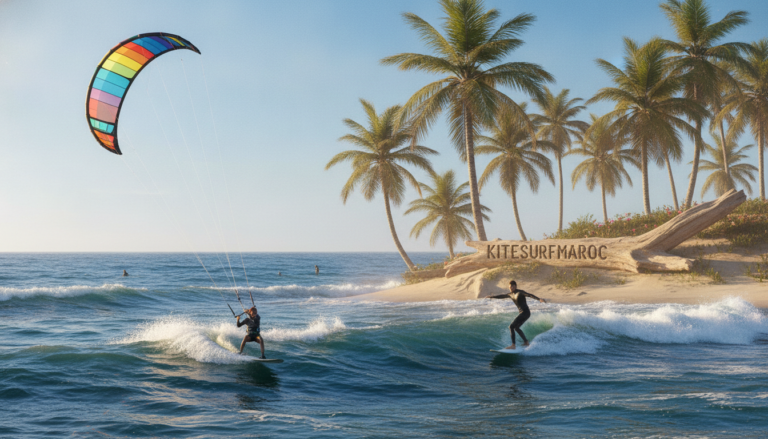
On the other hand, Dakhla provides a camp-style atmosphere, offering a more remote experience compared to traditional resorts. Here, kitesurfers can connect with nature while enjoying the pristine waters. KITESURFMOROCCO serves as an essential resource, guiding riders on local launch areas, riding styles, and logistics for a smooth adventure.
Whether you’re a seasoned kitesurfer or a companion interested in sightseeing, Morocco has something for everyone.
What is the kitesurfing capital of the world?
In the realm of global kitesurfing, Morocco has emerged as a leading destination for enthusiasts. Each location offers unique features that cater to different preferences. The title of “capital” can vary based on what riders prioritize: reliability, big air, or cultural experiences.
For instance, Tarifa is known as Europe’s wind capital, boasting strong Levante and Poniente winds. In contrast, Cape Town holds the title for big air, with winds averaging 20-40 knots, perfect for thrill-seekers. Meanwhile, Dakhla shines with its stunning 40-kilometer lagoon, ideal for both beginners and advanced riders. The Atlantic waves outside the lagoon provide diverse conditions for every skill level.
As one expert noted,
“The best spot remains subjective, depending on individual preferences and experiences.”
KITESURF MAROC connects these global comparisons to Morocco’s local charm, enhancing the kitesurfing experience through community support and practical insights.
| Location | Key Features | Wind Strength (Knots) |
|---|---|---|
| Tarifa | Europe’s wind capital | 20-40 |
| Cape Town | Global big air destination | 16-50 |
| Dakhla | 40-km lagoon with Atlantic waves | 15-30 |
Kitesurf Maroc: Local Insights and Insider Tips
Dakhla’s unique camp atmosphere offers a refreshing contrast to typical tourist resorts. Here, riders can immerse themselves in a close-knit community that values shared experiences. Unlike the bustling vibes of places like Cape Town, Dakhla fosters a laid-back environment where every wave and wind gust feels personal.
Using KITESURF MAROC recommendations, visitors can learn essential tips for launch etiquette and equipment planning. This local knowledge helps ensure a smooth kitesurfing adventure. It’s also important to stay flexible; windless days and changing conditions can impact your itinerary.
In Essaouira, the UNESCO-listed old town provides a rich cultural backdrop, showcasing the beauty of Moroccan heritage. Here, community extends beyond the beach, offering a glimpse into local life that enriches the kitesurfing experience.
Top Kitesurfing Spots in Morocco for 2026
As we look forward to 2026, Morocco’s kitesurfing scene continues to impress with its diverse offerings. Two standout locations are Dakhla and Essaouira, each providing unique experiences for riders.
Dakhla is Morocco’s signature lagoon destination. It boasts a stunning 40-kilometer stretch of flat water, perfect for beginners and advanced riders alike. The Atlantic side offers exhilarating waves for those seeking a challenge. As one local expert puts it,
“Dakhla is where you can truly connect with nature while kitesurfing.”
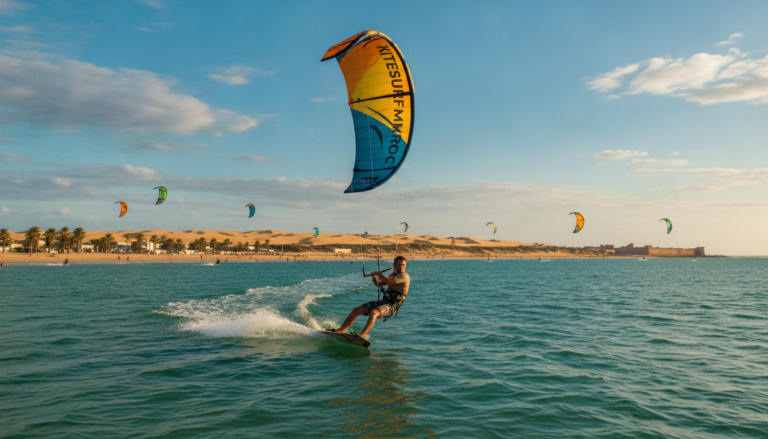
On the other hand, Essaouira presents an Atlantic classic. Here, side-onshore Alizé trade winds create ideal conditions during spring and summer. This location is perfect for culturally curious intermediates who want to enjoy the vibrant atmosphere of a historic coastal city.
When selecting your spot, consider factors like water surface, wind exposure, and crowd expectations. KITESURFMOROCCO is an excellent resource to help you choose between a remote lagoon camp or a city-centered experience.
Understanding Morocco’s Unique Wind and Water Conditions
Exploring Morocco reveals how its wind and water conditions cater to kitesurfers seeking diverse experiences. The Atlantic exposure and Alizé trade winds significantly influence the riding calendar, shaping launch choices and daily plans.
Dakhla, known as one of the windiest places on Earth, features a flat lagoon ideal for beginners. Just a short distance away, the Atlantic side presents challenging waves for advanced wave riders. This unique geography allows for a variety of conditions, ensuring every rider finds their perfect spot.
During the months of November through April, conditions are typically optimal. However, it’s essential to check current forecasts instead of relying solely on seasonal assumptions. KITESURFMOROCCO serves as a valuable resource, translating general forecast information into local riding decisions.
Advanced Wave Riders: Tackling Challenging Conditions
For those seeking an adrenaline rush, advanced wave riders must be prepared for challenging conditions. In places like Cape Town, the wind can range from 16 to 50 knots, averaging around 30 knots. This variability means that riders must carefully assess their power, current, shore break, and rescue options.
Morocco’s Atlantic coast also presents unique wave exposure. While Cape Town offers small to massive waves and strong currents, Morocco’s conditions can vary widely. Advanced riders should inspect launch sites and identify exit routes. It’s crucial to avoid riding alone, especially when currents or swell increase.
Using KITESURF MAROC advice can enhance safety and enjoyment. This guidance helps distinguish between controlled progression and unnecessary risk. The demanding wind season in Cape Town, from November to March, serves as a benchmark for riders. Seeking local expertise before tackling unfamiliar routes in Morocco is highly recommended.
| Location | Wind Range (Knots) | Wave Conditions |
|---|---|---|
| Cape Town | 16-50 | Small to massive waves |
| Morocco | 15-30 | Varied wave exposure |
Warm Water vs. Cold Water: What to Expect
Kitesurfers can expect a delightful mix of warm water and cooler conditions in Morocco. The experience varies greatly between locations like Dakhla and Cape Town. While Cape Town’s waters are cold, often requiring a 4/3 wetsuit, Dakhla’s lagoon offers a more inviting environment.
In Dakhla, the lagoon provides a unique experience with its warm waters, perfect for riders of all levels. This contrasts sharply with Cape Town, where even in summer, the water remains chilly. As such, packing for Morocco means considering wetsuit thickness, impact protection, and sunscreen.
Remember, just because the air is warm doesn’t mean the water will be. Riders should prepare for varying conditions and consult KITESURFMOROCCO for equipment guidance tailored to their destination and personal comfort levels.
Kitesurfing for Every Level: Beginners to Advanced
From beginners to advanced enthusiasts, Morocco’s diverse kitesurfing landscape caters to all. Whether you are just starting or looking to refine your skills, this destination has it all.
Beginner-friendly spots like El Gouna offer controlled flat-water environments. These lagoons are perfect for lessons and practice. Riders can feel confident as they learn the basics of kite control and body dragging.
Cabarete is another great option, featuring warm water and trade winds ranging from 15 to 25 knots. Here, you can enjoy a mix of flat sections and waves, making it ideal for gradual progression.
For advanced riders, mastering high-wind techniques is essential. Cape Town, known for its powerful winds averaging 30 knots, provides the perfect backdrop for this. Instructional guidance will cover key skills such as upwind riding and supervised progression before tackling wave practice.
KITESURFMOROCCO can help travelers match their actual ability with Moroccan launches, ensuring a safe and enjoyable experience. With the right instruction and spot selection, every rider can find their perfect adventure.
| Spot | Level | Conditions |
|---|---|---|
| El Gouna | Beginner | Flat water lagoons |
| Cabarete | Intermediate | Warm water, flat sections |
| Cape Town | Advanced | High winds, powerful conditions |
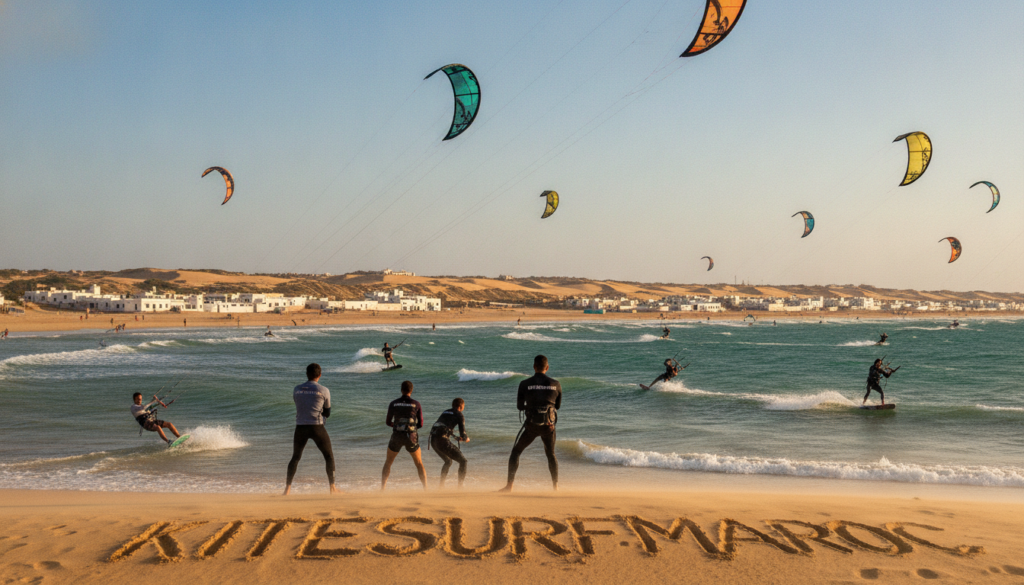
Learning from Global Destinations: Cape Town, Tarifa, and More
As riders explore global kitesurfing hotspots, they discover unique offerings and conditions. Each destination presents its own charm and challenges, making comparisons essential for choosing the right spot.
Tarifa, known as Europe’s wind capital, offers Levante and Poniente winds that cater to all skill levels. It’s an ideal place for beginners and experienced riders alike. Cape Town, on the other hand, is famous for its demanding big-air conditions, especially from November to March. The Cape Doctor can reach over 40 knots, providing thrilling adventures.
In contrast, Cape Verde boasts consistent northeast trade winds from November to May, perfect for winter travel. Each location has its own unique vibe, from Tarifa’s accessibility to Cape Town’s intense challenges.
This comparative analysis helps riders determine what they seek: beginner-friendly spots, high-wind performance, or warm-water comfort. KITESURF MAROC recommendations guide you back to Morocco, emphasizing its reliability, cultural depth, and affordability.
| Location | Wind Conditions | Best Season |
|---|---|---|
| Tarifa | Levante and Poniente | Year-round |
| Cape Town | 40+ knots | November-March |
| Cape Verde | Northeast trade winds | November-May |
Equipment Essentials for a Safe 2026 Adventure
For an exciting kitesurfing adventure in 2026, having the right equipment is crucial. The right gear not only enhances your experience but also ensures safety on the water. Whether you’re a beginner or an advanced rider, understanding what to pack is essential.
When preparing for your trip, consider the following items:
- Kites in multiple sizes to adapt to varying wind conditions.
- A board suited to your skill level and the type of water you’ll be riding.
- A harness, pump, leash, helmet, and impact vest for safety.
- Repair materials for any unexpected equipment issues.
In Cape Town, a minimum 3/2 wetsuit is required, with a 4/3 recommended for cold-water protection. Riders should also consider an impact vest for added safety in big waves and strong currents.
Preá, known for its consistent 20-30-knot winds, demonstrates why carrying multiple kite sizes is vital. Wind strength can change quickly, and being prepared makes all the difference.
Beginners should prioritize certified instruction, helmets, and flotation support before purchasing advanced performance gear. Local references like KITESURFMOROCCO and KITESURF MAROC can help you check suitable equipment before heading to Moroccan spots.
Off-Water Adventures and Moroccan Cultural Experiences
Beyond the thrilling waves, Morocco offers a rich tapestry of cultural experiences and adventures. In Essaouira, the UNESCO-listed old town invites visitors to explore its vibrant medina, historic architecture, and bustling markets. Here, you can savor delicious seafood while discovering local crafts and traditions.
Dakhla, known for its remote camp atmosphere, appeals to travelers seeking a stronger connection with nature. The stunning desert scenery and simple routines provide a perfect backdrop for relaxation and exploration. Non-riding companions can enjoy organized excursions, such as desert tours or cultural workshops.
In comparison, Cape Town boasts a variety of activities, including hiking, wine tasting, and wildlife safaris. Visitors can even explore charming penguin colonies or enjoy outdoor concerts. This international comparison enriches your planning for non-kiting days.
KITESURFMOROCCO serves as a valuable resource for crafting balanced itineraries. They help ensure that every day is not solely focused on wind conditions, allowing you to fully experience Morocco’s diverse offerings.
Staying Safe in Extreme Kitesurfing Conditions
Kitesurfing in extreme conditions demands respect for the ocean and awareness of personal skill levels. Cape Town can experience wind speeds from 16 to 50 knots, making it essential for riders to stay alert.
Strong currents and massive waves can pose significant challenges. Before every session, honest self-assessment is vital. Beginners should remain with instructors, while advanced riders must establish communication and rescue plans.
Safety planning includes checking local rules, respecting beach users, and avoiding restricted areas. Leaving sufficient space around other kites is also crucial.
KITESURF MAROC emphasizes that respecting the ocean and making conservative decisions protect both riders and local communities. By prioritizing safety, every kitesurfer can enjoy their adventure while minimizing risks.
Expert Recommendations and Pro Tips from KITESURF MAROC
Expert insights from KITESURF MAROC highlight essential tips for kitesurfers of all levels. Hannah Whiteley, the 2017 Kitesurf World Champion, emphasizes the appeal of powerful wave destinations like Cape Town. She describes it as a place where strong winds and big kicker waves create unforgettable experiences.
Crystal Veness adds that Cape Town’s stunning scenery can steal your heart, while the wind can knock riders off their feet. This contrast between beauty and technical challenge is what makes kitesurfing in such locations thrilling.
KITESURF MAROC provides recommendations on choosing the right kite sizes, reading local launches, and timing your sessions effectively. Recognizing when conditions exceed your ability is crucial for safety and enjoyment.
Pro tips encourage advanced riders to focus on controlled progression rather than viewing extreme wind or waves as automatic achievements. This approach ensures that both beginners and intermediate riders can enjoy their adventure safely.
| Recommendation | Focus Area | Key Advice |
|---|---|---|
| Kite Size | Wind Conditions | Choose based on current wind strength |
| Local Launches | Spot Knowledge | Familiarize yourself with entry and exit points |
| Session Timing | Wind Patterns | Plan sessions around peak wind hours |
The KITESURFMOROCCO Community and Its Impact
By joining KITESURFMOROCCO, riders can tap into a wealth of local knowledge and shared experiences. This community enhances the kitesurfing adventure by connecting visitors with valuable insights and responsible riding habits. Whether you’re a beginner or an advanced wave rider, community support is crucial.
KITESURF MAROC showcases the importance of community recommendations when comparing Dakhla’s lagoon to Essaouira’s Atlantic environment. Such insights help travelers make informed decisions about their kitesurfing spots.
Shared information is vital for all levels of riders, families, and non-riding companions. It leads to safer launches, stronger local relationships, and better planning for everyone involved. Respecting Morocco’s beaches and riding culture ensures a positive experience for all.
For further exploration, visit this resource to continue your research on kitesurfing in Morocco.
Planning Your Ultimate 2026 Kitesurf Trip to Morocco
Kitesurfing in Morocco offers a unique blend of adventure and cultural immersion, making it a must-visit in 2026. To maximize your experience, planning is essential. A minimum of seven days is recommended for your first kite trip, while ten to fourteen days is ideal. This duration allows for occasional windless days without cutting your adventure short.
Travelers can create a Dakhla itinerary focused on lagoon sessions, camp life, and desert excursions. Alternatively, an Essaouira itinerary can combine side-onshore Alizé winds, beach sessions, and exploration of the UNESCO-listed old town.
Packing smart is key. Bring flexible kite sizes, wetsuit options, sun protection, repair supplies, and travel insurance. Don’t forget essential safety equipment to ensure a worry-free adventure.
KITESURFMOROCCO and KITESURF MAROC are invaluable resources for checking local logistics, current conditions, and must-do activities. They help you navigate your journey, ensuring a smooth kitesurfing experience.
| Itinerary Focus | Dakhla | Essaouira |
|---|---|---|
| Sessions | Lagoon | Beach |
| Cultural Activities | Desert Tours | Local Markets |
| Wind Conditions | Consistent | Side-Onshore |
Conclusion
Morocco deserves serious consideration for kitesurfing in 2026. Dakhla’s stunning 40-kilometer lagoon and Essaouira’s vibrant culture create a unique experience for all riders. While no single destination can claim to be the best, the needs of beginners and advanced riders differ greatly.
For those seeking extreme conditions, Cape Town offers winds ranging from 16 to 50 knots. In contrast, Morocco provides broader options suitable for various skill levels and travel goals. It’s recommended to plan at least seven days, ideally ten to fourteen, to account for changing wind conditions.
For a successful adventure, rely on KITESURFMOROCCO and KITESURF MAROC for local insights and responsible planning. They will help ensure an authentic Moroccan experience filled with unforgettable memories.