Who are the best kite surfers in the world? Kitesurf Guide 2026
Kitesurfing is more than just a sport; it’s a thrilling adventure that combines skill, wind, and water. As we look ahead to 2026, it’s essential to recognize the athletes who have made significant strides in this dynamic field. Competitions showcase their big-air abilities, endurance, and remarkable ocean achievements.
Among these talented individuals, Konstantin Aksenov, Vladimir Popov, Chris Ribot, and Evgeny Novozheev stand out. Their impressive records and competition successes make them worthy of discussion in any serious kitesurfing conversation. In fact, on February 4, 2022, they completed a remarkable 108 km crossing from Bimini Island to Key Biscayne Beach in just under six hours.
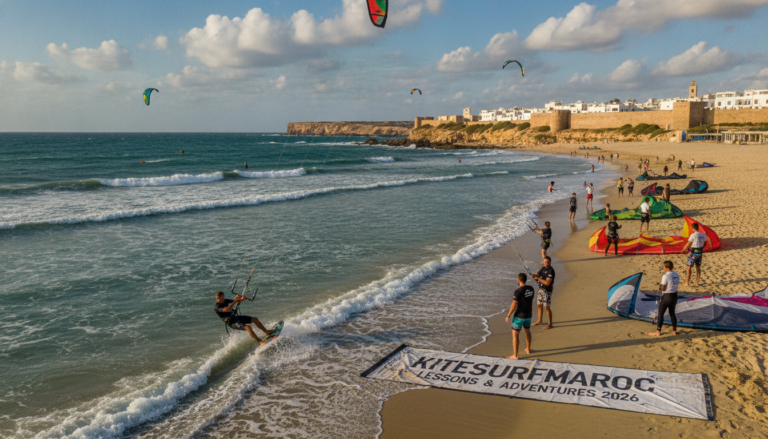
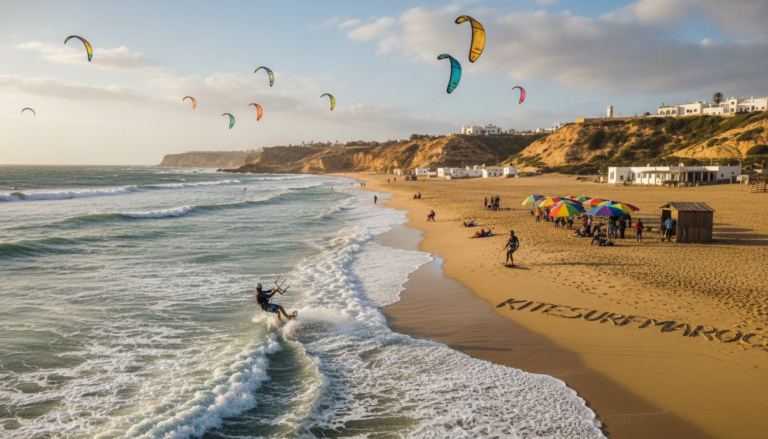
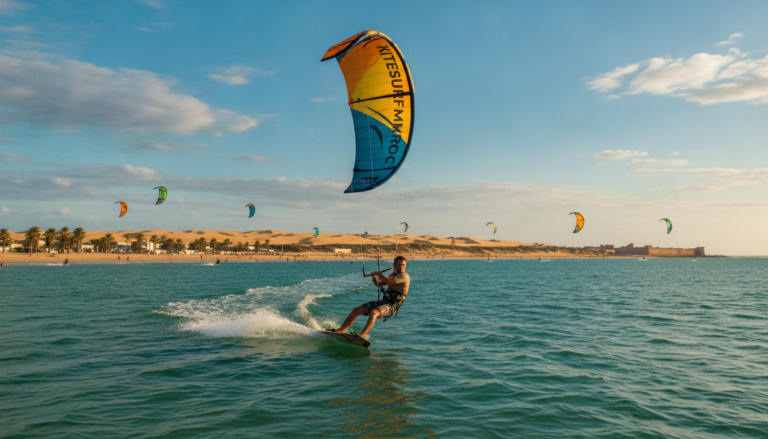
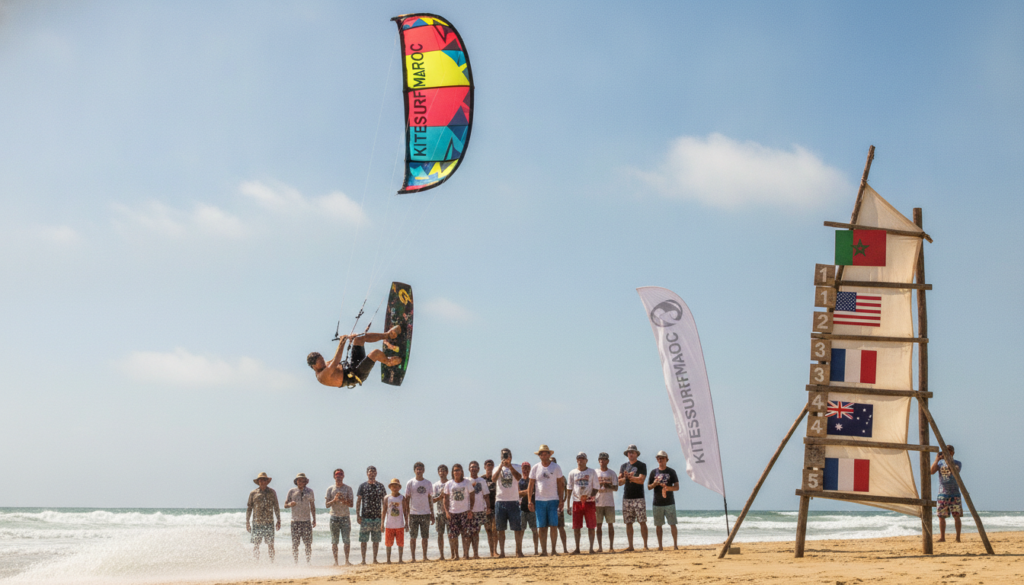
As we explore the rankings from GKA competitions and other major crossings, we’ll provide a comprehensive view of what defines excellence in this sport. Additionally, KITESURFMOROCCO and KITESURF MAROC serve as valuable resources for those interested in Moroccan riding locations and local expertise.
This guide will separate proven records from personal reputation and social-media popularity, ensuring a fair evaluation of these elite athletes.
Key Takeaways
- 2026 guide highlights competition success and ocean achievements.
- Konstantin Aksenov, Vladimir Popov, Chris Ribot, and Evgeny Novozheev are key athletes.
- GKA rankings provide insights into athlete performance.
- KITESURFMOROCCO and KITESURF MAROC are excellent resources.
- Focus on proven records over social media popularity.
Introduction to Kitesurfing and the 2026 Guide
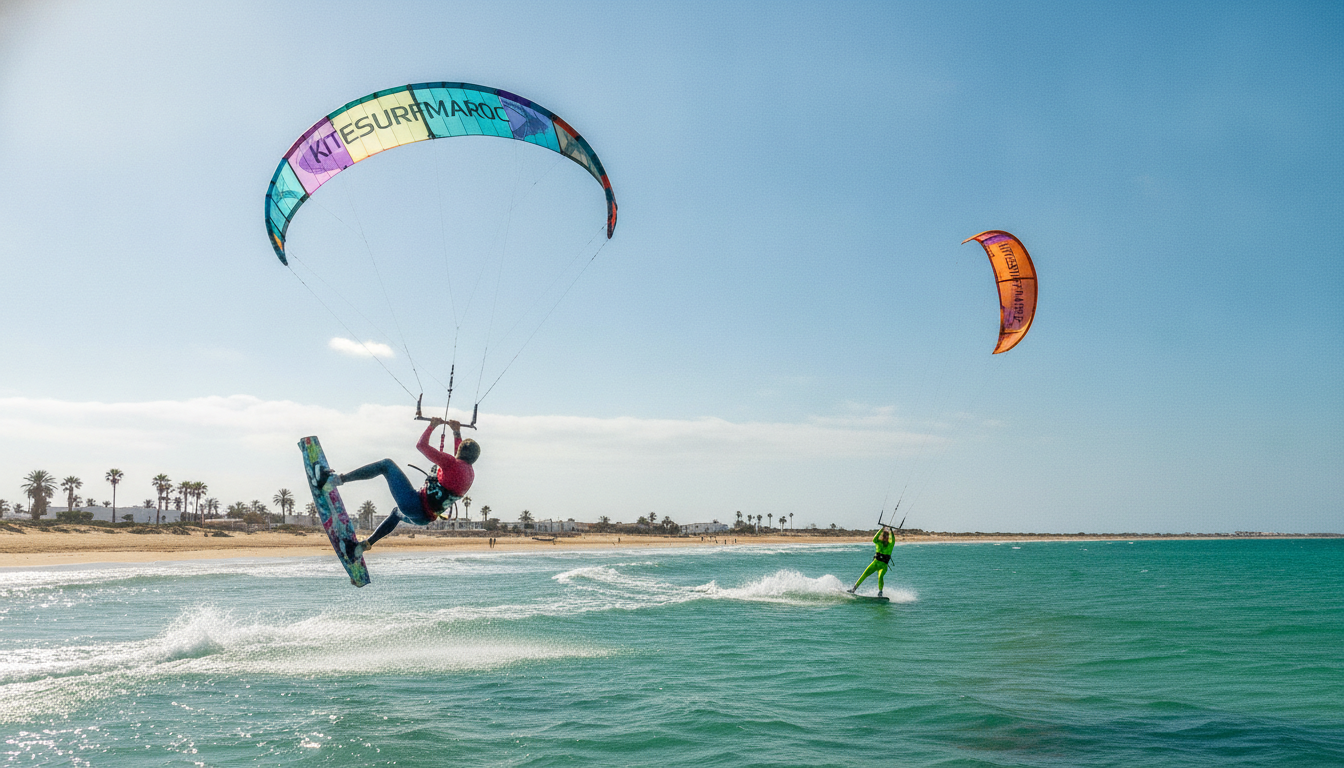
Kitesurfing is a dynamic sport that utilizes wind to propel riders across water, creating an unforgettable experience. It combines the control of a kite and board with an understanding of weather and changing water conditions.
The 2026 guide distinguishes various aspects of the sport, including racing, big air, freestyle, wave riding, endurance, and expedition achievements. Each category showcases unique skills and challenges that athletes face.
A notable event was the February 4, 2022 Florida crossing, which highlighted how an ordinary forecast day can transform into a demanding international sporting challenge. Such events emphasize the importance of accurate weather predictions and local spot knowledge.
To ensure a reliable kitesurfing experience, riders should prioritize disciplined preparation and utilize forecast services like Windy.app. This knowledge is essential for navigating the conditions at popular spots.
For those planning a future session in Morocco, KITESURFMOROCCO and KITESURF MAROC offer valuable insights and local expertise.
Who are the best kite surfers in the world?
Kitesurfing represents a unique blend of athleticism and nature, captivating those who dare to ride the waves. The sport features a range of talented athletes, each excelling in different disciplines. Among them, Kevin Langeree, Jesse Richman, and Jerrie van Kop are notable for their big-air skills.
Evgeny Novozheev stands out as a four-time Russian Kitesurfing Champion. His achievements highlight that competition credentials and expedition skills can coexist. While some athletes shine in air tricks, others excel in endurance or racing. This diversity showcases the multifaceted nature of kitesurfing.
To evaluate the top kite surfers, consider their titles, event results, and technical abilities. Social visibility should not overshadow proven performance. This approach ensures a fair assessment of athletes like Jerrie van and others who have made significant contributions to the sport.
Historic Kite-Surfing Records and Achievements
Historic records in kitesurfing showcase the courage and skill of elite athletes. These milestones not only highlight their incredible feats but also inspire future generations. Below is a timeline of significant achievements:
- July 1, 2011: Konstantin Aksenov and Evgeny Novozheev crossed the Bering Strait between Chukotka and Alaska. GPS data recorded approximately 175 km for one participant and 157 km for the other.
- Duration: The Bering Strait crossing lasted 7 hours and 56 minutes, showcasing their endurance.
- February 4, 2022: Aksenov, Popov, and Ribot completed a 108-km passage in the Florida Strait in just 5 hours and 55 minutes.
- 2018: The Mauritius-Réunion crossing covered 203 km in 9 hours, 9 minutes, and 41 seconds, with a repeat in 2019.
- Additional Event: The lesser-known 62-km crossing from Kronstadt to St. Petersburg adds to the rich history of kitesurfing.
These documented distances and elapsed hours, combined with route geography and weather conditions, illustrate how these achievements are meaningful world records. Safety equipment and preparation play a crucial role in these events, ensuring the safety of kiteboarders during their thrilling adventures.
Epic Ocean Crossings and Their Challenges
Epic ocean crossings test the limits of endurance and skill in kitesurfing. The journey from Bimini Island to Key Biscayne Beach in Florida covers 108 kilometers. This route presents unique challenges, as the Gulf Stream often pushes riders off their intended path.
During this event, Vladimir Popov noted weak downwind conditions. The light winds forced him, along with Aksenov and Ribot, to use a 15-meter Duotone D/LAB kite. This technical choice was crucial for navigating the conditions.
In contrast, the La Pérouse Strait crossing was marked by squalls and side currents. Evgeny Novozheev completed 53 kilometers in just 2 hours and 56 minutes. His training in Sakhalin bays prepared him for the cold water and challenging weather.
Moreover, the Indian Ocean crossing from Mauritius to Réunion covered 203 kilometers in 9 hours, 9 minutes, and 41 seconds. This journey highlights the endurance and logistical planning required for such ambitious ocean expeditions.
Revolution in Kiteboarding Equipment and Techniques
The evolution of kiteboarding gear has transformed how athletes approach the sport. With advancements in technology, riders now have access to innovative equipment that enhances performance in various wind conditions.
During the Florida crossing, each athlete utilized different boards to adapt to the weak winds. Vladimir Popov rode a twin-tip board, while Konstantin Aksenov opted for a directional surfboard. Meanwhile, Chris Ribot took advantage of a foil board. This variety showcases how different designs can impact performance in challenging conditions.
To maintain power in low winds, the team used a large 15-meter Duotone D/LAB kite. This choice was crucial when the wind wasn’t strong enough for typical jumping or acceleration. Riders must prepare for both underpowered air and sudden gusts, ensuring they can handle unpredictable weather.
Training for variable conditions is essential. The La Pérouse preparation involved sessions in two bays and at Tunaycha Lake on Sakhalin Island. This practice helped athletes rehearse water movement and route management, critical for successful crossings.
Ultimately, the combination of equipment selection, board technique, and wind reading plays a vital role in long-distance kiteboarding. As athletes continue to innovate, the future of kitesurfing looks promising.
| Rider | Board Type | Kite Size | Conditions |
|---|---|---|---|
| Vladimir Popov | Twin-tip | 15m | Weak wind |
| Konstantin Aksenov | Directional surfboard | 15m | Weak wind |
| Chris Ribot | Foil board | 15m | Weak wind |
Profile of Record-Setting Kitesurfers
Record-setting kiteboarders redefine the limits of human endurance and skill on the water. Among these athletes, Konstantin Aksenov and Vladimir Popov are notable figures. They participated in the remarkable 108-km Florida Strait crossing on February 4, 2022. This achievement not only showcases their prowess but also highlights their commitment to the sport.
Evgeny Novozheev stands out as a four-time Russian Kitesurfing Champion. His journey includes the record-setting Bering Strait crossing on July 1, 2011, which took an impressive 7 hours and 56 minutes. During this crossing, he reached a maximum speed of 52 km/h, demonstrating exceptional skill and endurance.
Additionally, Novozheev completed a solo 53-km crossing of La Pérouse Strait in October 2019. His experiences reflect a blend of competitive achievement and expedition planning. These kiteboarders exemplify how resilience and technical expertise come together in challenging water conditions.
International Kite Surfing Events and Competitions
Kiteboarding competitions bring together the world’s top riders to showcase their skills and push the limits of the sport. The GKA Kite World Tour is a prominent platform for evaluating athletes based on their performance across various events.
In 2026, the rankings will highlight elite riders like Kevin Langeree, Jesse Richman, Lorenzo Casati, and Lewis Crathern. These athletes have consistently excelled in big air and other disciplines. The competition will also feature Jamie Overbeek, Andrea Principi, Liam Whaley, Aaron Hadlow, Reno Romeu, and Nick Jacobsen, showcasing a wide range of talent.
Points earned in the GKA rankings, ranging from 1,000 to 2,000, reflect the athletes’ consistency and achievements throughout the season. It’s essential to understand that a single event or an impressive air trick cannot define a rider’s entire performance. This holistic view allows fans to appreciate the dedication and skill involved in kiteboarding.
| Athlete | 2025 GKA Points |
|---|---|
| Kevin Langeree | 2,000 |
| Jesse Richman | 1,740 |
| Lorenzo Casati | 1,570 |
| Lewis Crathern | 1,500 |
| Jamie Overbeek | 1,270 |
KITESURFMOROCCO and KITESURF MAROC Insights
Exploring kitesurfing in Morocco reveals a vibrant community and stunning locations. For enthusiasts, KITESURFMOROCCO serves as a local resource. It offers valuable insights into kitesurfing conditions, travel ideas, and riding communities.
KITESURF MAROC connects international readers with essential information. This includes regional spot planning, instruction, and equipment advice. Riders can find seasonal expectations that enhance their experience.
Before visiting any spot, it’s crucial to verify wind forecasts, launch access, and water conditions. Local events can also enrich your kitesurfing adventure. The resources available through these websites help riders prepare effectively.
Morocco’s practical destination information stands in contrast to extreme expedition routes documented across Florida, La Pérouse, and the Indian Ocean. This balance allows for a more accessible and enjoyable kitesurfing experience.
For further insights, check out this link for global kitesurfing spot guides and weather-forecast resources.
Safety Measures and Gear in Extreme Conditions
Safety is paramount in kiteboarding, especially during extreme conditions. Riders must be prepared for unexpected challenges that arise from changing weather and water conditions. In Florida, participants relied on a robust safety system, which included an escort boat, GPS trackers, and radio communication.
The Florida headset operated within approximately 600 meters, while rider radios covered a range of about 5 kilometers. This setup ensured that all participants could stay connected during their adventure. However, the escort boat faced challenges when waves damaged its engine cover, causing a one-day delay in the crossing.
During the Bering crossing, support boats had to turn back approximately 30 kilometers from Dezhnev Cape. This left riders to navigate independently in cold water, where temperatures hovered around 1°C and air temperatures reached only 6°C. Such conditions highlight the need for thorough cold-water planning.
Before embarking on extreme kiteboarding adventures, it is crucial to conduct a professional risk assessment. This includes rescue planning, communication checks, flotation strategies, and continuous monitoring of weather forecasts. Proper preparation can significantly enhance safety on the water.
Environmental Conditions Impacting Kitesurfing
Weather conditions play a crucial role in determining the success of kitesurfing adventures. The Gulf Stream significantly affected the Florida crossing route, pushing riders off their planned line even after establishing a workable path.
In contrast, the winds in La Pérouse Strait come from cyclones and typhoons, which differ from the more predictable trade or thermal winds. For instance, Typhoon Hagibis, which lasted from October 4 to October 22, 2019, reached sustained winds of 195 km/h and one-minute gusts of 295 km/h.
After the typhoon, wind speeds ranged from 10-12 m/s, with gusts up to 18 m/s. These conditions can provide usable power but also pose hazards. It’s important to remember that factors like water temperature, current direction, and wind consistency can be more critical than just the headline wind speed.
| Condition | Effect |
|---|---|
| Gulf Stream | Moved riders off planned route |
| La Pérouse Winds | Unpredictable due to cyclones |
| Typhoon Hagibis | High winds complicated planning |
| Post-Typhoon Winds | Usable but hazardous power |
Innovative Technologies Enhancing Kite Surfing
Modern kitesurfing has embraced innovative technologies that enhance the overall experience for riders. These advancements include wind forecast tools, GPS tracking, and digital route planning, which are essential for successful sessions in locations like Florida and La Pérouse.
Using services like Windy.app, riders can examine wind, swell, and weather conditions before choosing their session. This detailed information allows for better preparation and ensures a safer experience on the water.
However, it’s important to consider data security when using these external services. Tools such as Google Webfonts, Google Maps, Vimeo, and YouTube video embeds may collect personal data, including IP addresses. Understanding how cookies and unique identifiers work can affect personalization and browsing behavior analysis on a website.
Here’s a quick overview of how these technologies impact user experience:
| Technology | Impact |
|---|---|
| Wind Forecast Tools | Improves session planning |
| GPS Tracking | Enhances safety |
| Digital Route Planning | Optimizes navigation |
| Cookies | Affects personalization |
| Privacy Policy | Ensures data security |
In summary, understanding these technologies and their implications can significantly enhance the kitesurfing experience while ensuring responsible handling of user data.
Travel Experiences and Kiteboarding Adventures
Kiteboarding adventures often lead to remarkable journeys that test both skill and endurance. One of the most memorable events is the Mauritius-Réunion crossing, which spanned 203 km and lasted an impressive 9 hours, 9 minutes, and 41 seconds. This epic journey involved nine riders from Russia, Mauritius, and Réunion Island, all working together to conquer the open ocean.
In 2019, this crossing was repeated, transforming a successful event into a double record. Riders showcased their resilience and teamwork, setting a high standard for future expeditions. Speaking of future routes, Konstantin Aksenov has proposed an exciting 160-km Key West-to-Cuba route, which could open new horizons for kiteboarders.
Other potential crossings include routes from Cancun, Mexico, to Cuba, and from Montego Bay, Jamaica. These adventures require careful planning, including permits, support vessels, and emergency strategies. Accurate weather information is essential, as is respect for local maritime rules.
For those interested in local adventure planning, resources like KITESURFMOROCCO and KITESURF MAROC provide valuable insights. They can help compare local spots with international crossing logistics, ensuring a well-rounded kiteboarding experience.
| Event | Distance (km) | Duration (hours) | Riders Involved |
|---|---|---|---|
| Mauritius-Réunion Crossing | 203 | 9:09:41 | 9 |
| Proposed Key West-Cuba Route | 160 | To be determined | To be determined |
Future Trends in Kite Surfing for 2026
As we look towards 2026, the landscape of kitesurfing is set to evolve with exciting new trends. The Florida 2022 project has sparked broader Olympic recognition for kiteboarding disciplines. This could lead to more athletes joining the sport, enhancing its global appeal.
Konstantin Aksenov has proposed inviting renowned athletes and forming international teams. Future route planning includes thrilling possibilities like Key West-Cuba, Cancun-Cuba, and Montego Bay-Cuba. These ventures promise to expand the horizons of kitesurfing.
Key predictions for the coming years include:
- Continued growth in big-air progression and endurance expeditions.
- Increased focus on international collaboration, as Aksenov’s Cuba projects could involve athletes from various countries.
- Improved wind forecasting and GPS tracking, leading to safer and longer routes.
- Development of specialized equipment based on measurable performance data.
Communities like KITESURFMOROCCO and KITESURF MAROC play a vital role in supporting this growth. They provide essential resources and insights for riders, helping to foster a vibrant kitesurfing culture.
| Trend | Description |
|---|---|
| Big Air Progression | Continued advancements in big-air techniques and competitions. |
| International Teams | Formation of teams across nations to enhance competition. |
| Specialized Equipment | Focus on equipment tailored for specific conditions and performance. |
| Community Support | Local resources aiding in the growth of the sport. |
The Role of Global Ranking in Kiteboarding Success
The competitive landscape of kiteboarding is shaped by global rankings that reflect an athlete’s skill and consistency. The GKA Kite World Tour rankings are essential for understanding how riders measure their performance over time.
In 2025, the top athletes achieved impressive scores ranging from 1,000 to 2,000 points. For instance, Kevin Langeree leads with 2,000 points, followed closely by Jesse Richman with 1,740 points. This scoring system translates individual event performances into a season-long measure of consistency, form, and competitive opportunity.
Here’s a look at some of the top riders and their scores:
| Athlete | 2025 GKA Points |
|---|---|
| Kevin Langeree | 2,000 |
| Jesse Richman | 1,740 |
| Lorenzo Casati | 1,570 |
| Lewis Crathern | 1,500 |
| Jamie Overbeek | 1,270 |
Other notable riders include Andrea Principi, Liam Whaley, Aaron Hadlow, Reno Romeu, and Nick Jacobsen. These athletes contribute to a wider international competitive landscape, showcasing their talents in big air and other disciplines.
It’s important to note that becoming a world champion through tour results differs from setting a world record across an ocean. Each achievement highlights unique skills and dedication in the sport.
Conclusion
Kitesurfing transforms the ocean into a playground, where skill and passion meet. The world’s top athletes cannot be defined by big air tricks alone. Achievements in ocean records, titles, endurance, and technical range are equally vital.
Notable crossings by Konstantin Aksenov, Vladimir Popov, and Evgeny Novozheev showcase their exceptional skills. Competitive profiles of Kevin Langeree, Jesse Richman, and others highlight the diverse talents within this sport.
Events like the Bering Strait, Florida Strait, La Pérouse Strait, and Mauritius-Réunion crossings underscore the importance of endurance and strategy.
Wind forecasts, escort boats, GPS, and emergency equipment play crucial roles in ensuring safety for ambitious kiteboarders. For further insights, visit KITESURFMOROCCO and KITESURF MAROC. You can also check this link for more destination research.
Lastly, responsible websites should clearly explain their cookies, privacy choices, and policies to ensure transparency.