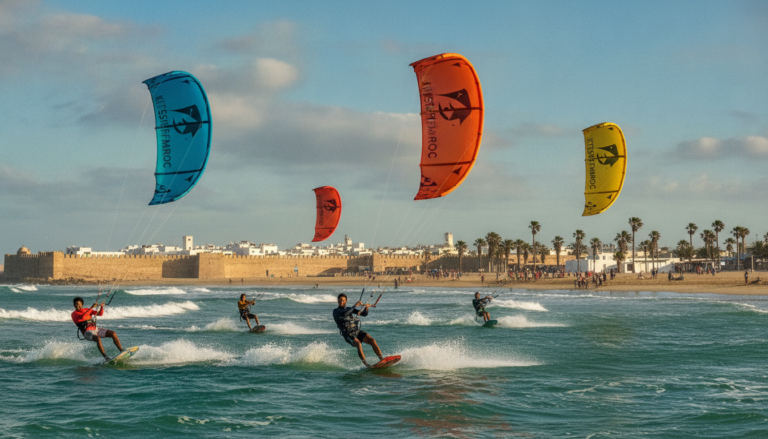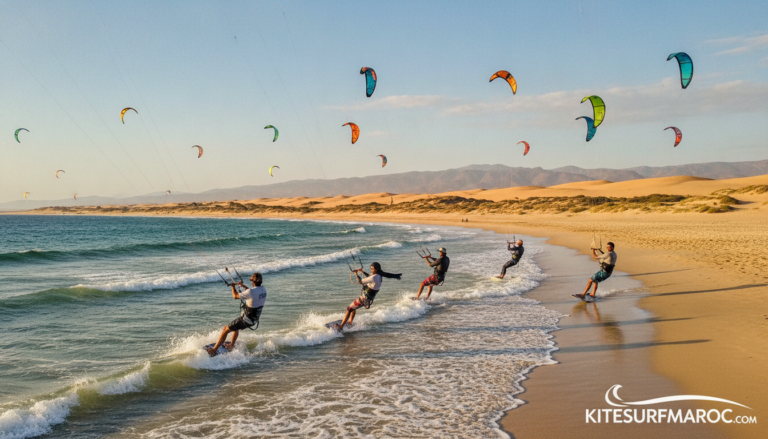
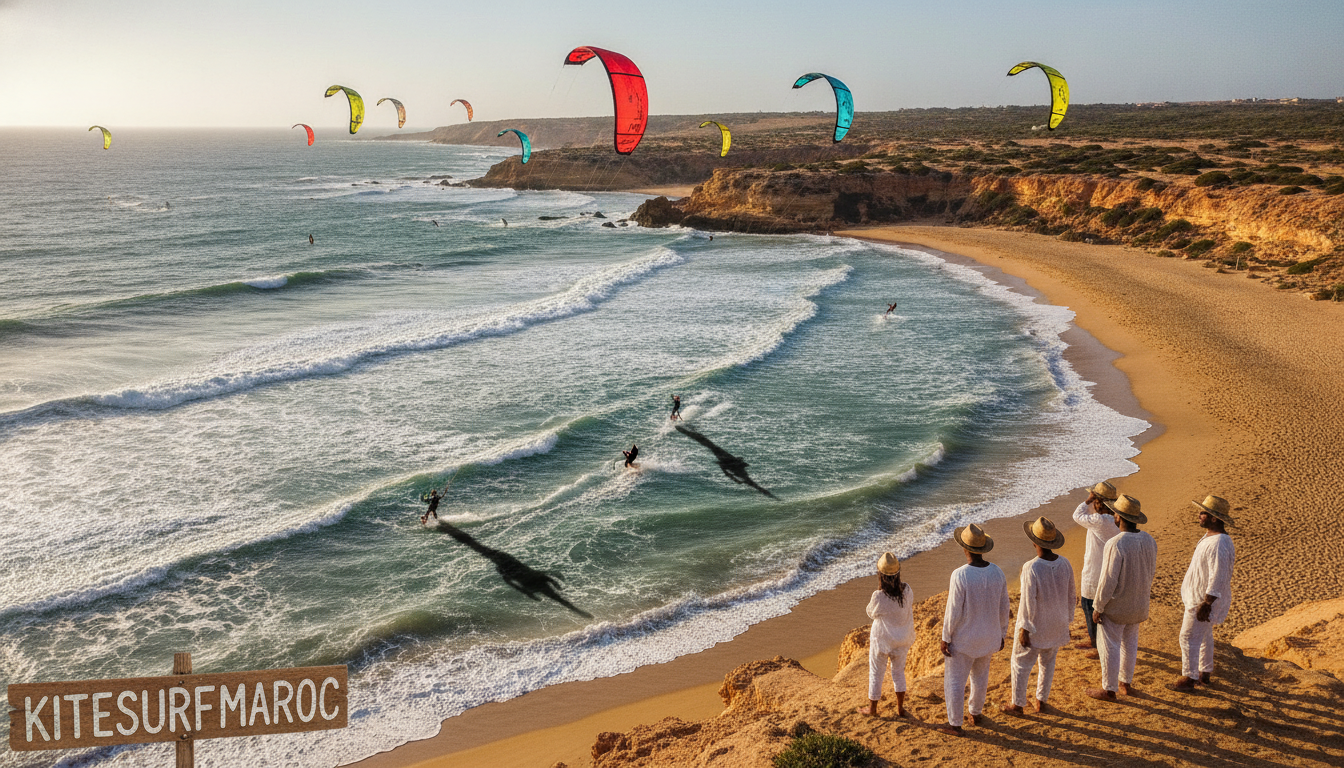
Where is the best kitesurfing in the world? KITESURF MAROC 2026 GUIDE
Choosing the right destination for kitesurfing can be challenging. The answer often depends on several factors, such as wind reliability, wave quality, and water temperature. Safety and access also play a significant role, along with your personal riding goals.
This article serves as a practical 2026 guide, highlighting various spots from Morocco and South Africa to Brazil, Hawaii, Peru, and Greece. KITESURFMOROCCO and KITESURF MAROC are excellent starting points for anyone looking to explore Morocco’s famous lagoon and coastal riding areas.
Different riders have different needs. Advanced wave hunters may seek out specific locations, while beginners and freestyle riders might prefer entirely different spots. Our guide offers a friendly comparison of seasons, conditions, skill levels, transport options, and local culture.
Understanding the Global Kitesurfing Scene
Finding the ideal spot for kitesurfing can be quite a task. Various factors come into play, especially when considering popular destinations. Hawaii stands out as a foundational reference, where Maui and Oahu offer world-class waves and strong winds. These islands attract travelers from all over, making them a must-visit for any kitesurfing enthusiast.
To evaluate different locations, a comparison method rates wave quality and wind reliability on a scale from one to five. This system also considers hazards, crowds, and the required skill level. While famous spots like Cape Town are well-known, lesser-publicized areas such as northern Peru have been gaining traction. This region has hosted international kitesurfers for over a decade, thanks to a thriving local wave-riding community.
It’s important to note that a perfect kitesurfing destination rarely exists. Riders must balance wind, waves, water temperature, reef hazards, and available facilities. Each location has its unique appeal, and understanding these factors will help you choose wisely.
| Destination | Wave Quality (1-5) | Wind Reliability (1-5) | Hazards (1-5) | Crowds (1-5) |
|---|---|---|---|---|
| Hawaii | 5 | 5 | 2 | 4 |
| Cape Town | 4 | 4 | 3 | 5 |
| Northern Peru | 4 | 4 | 2 | 3 |
Where is the best kitesurfing in the world?
Selecting a prime kitesurfing destination can feel overwhelming. However, some locations consistently stand out among enthusiasts. Northern Peru, Dakhla, Cape Town, Mauritius, Hawaii, and Brazil are all strong contenders.
For those seeking long left waves and daily wind, Northern Peru is a fantastic choice. This area boasts empty beaches and forgiving breaks, making it ideal for many riders. As one local kitesurfer puts it,
“The daily wind and fresh seafood here are unbeatable.”
Conversely, Lakey Peak, Madagascar, Ponta Preta, and Hawaii cater to experienced riders. These spots feature powerful waves and reefs, but they come with limited wind reliability.
Dakhla shines for beginners and freestylers, while Mauritius offers varied conditions for all skill levels. For those who prioritize spacious flat water, Macapá is the go-to destination.
Ultimately, the best kitesurfing destination is personal. Whether it’s a 2-meter Peruvian swell, a Cape Town downwinder, or a tranquil Brazilian lagoon, each location has its unique charm.
Kitesurf Maroc: Morocco’s Premier Kitesurfing Hub
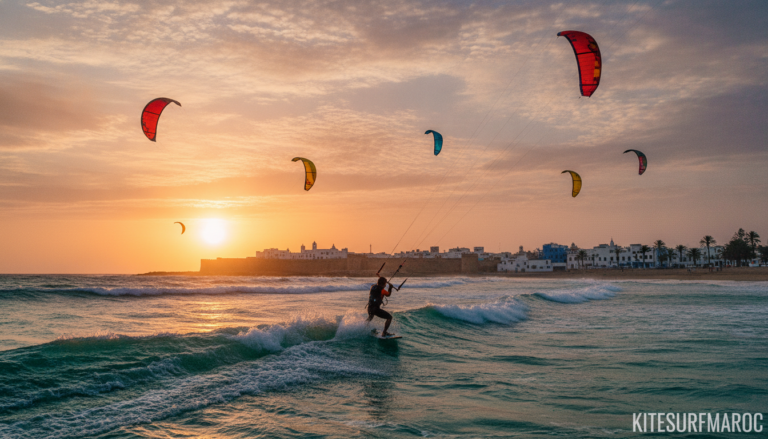
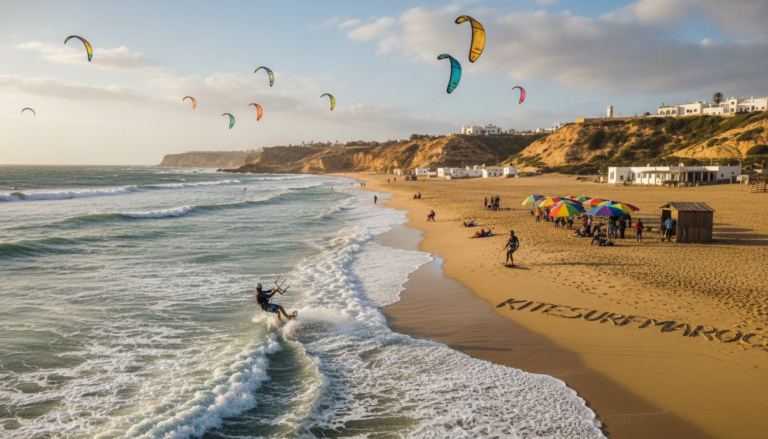
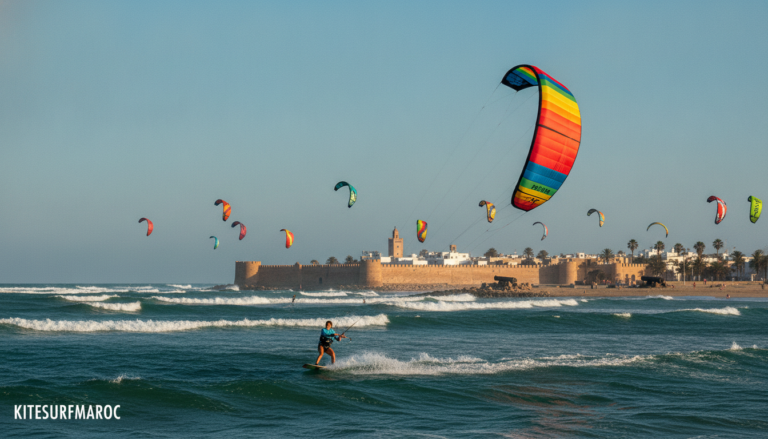
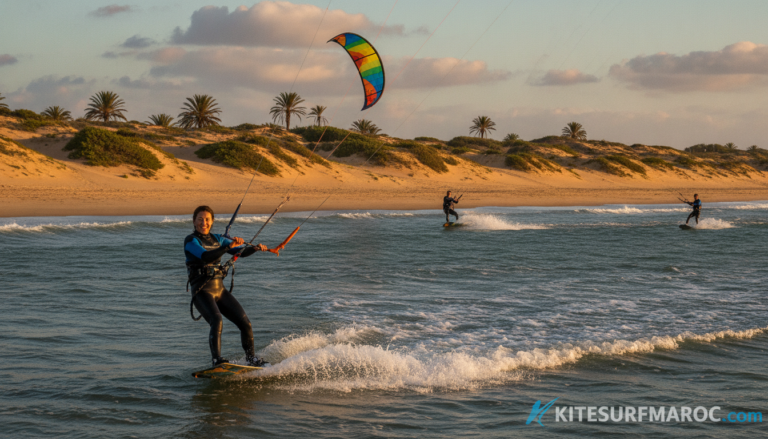
Dakhla stands out as a premier kitesurfing destination in Morocco. This area features a remarkable 45-kilometer lagoon, making it ideal for beginners, freestylers, and advanced kitesurfers. The lagoon offers reliable winds year-round, creating perfect conditions for all skill levels.
In addition to flat water, Dakhla provides exciting downwind opportunities and easy access to Oum Lamboiur, a nearby wave spot just 30 minutes away. This combination of features makes it a versatile location for any kitesurfer.
For planning your trip, KITESURF MAROC and KITESURFMOROCCO are excellent resources. They can assist with accommodation, instruction, transfers, and equipment logistics. Dakhla’s wind season from April to September is particularly appealing for those looking to maximize their time on the water.
Lastly, don’t forget about the luggage benefit offered by Royal Air Maroc, which currently allows free kitesurfing luggage. However, it’s wise to confirm current airline policies before you travel.
Breaking Down Ideal Wind and Wave Conditions
Understanding the dynamics of wind and waves is crucial for any kitesurfer. Ideal wind should be consistent, well-angled, and suitable for the rider’s size and skill level. In Cape Town, winds range from 16 to 50 knots, averaging around 30 knots, especially as the day progresses.
While Cape Town offers raw wind strength, Dakhla’s dependable lagoon conditions provide a different experience. The lagoon is perfect for learning and progression, allowing riders to practice their skills in flat water. In contrast, locations like Langebaan and Hermanus offer both flat water and waves, catering to diverse preferences.
Riders should also consider the forgiving beach breaks in Northern Peru, which contrast sharply with the reefs at One Eye and Lakey Peak. Before heading out, always check wind direction, swell period, tides, and water temperature. Additionally, ensure you have the right wetsuit, typically a 3/2 for Northern Peru and a 4/3 for Cape Town.
Exploring Iconic Kite Spots: Cape Town Adventures
Cape Town offers a vibrant mix of adventure and culture for kitesurfing enthusiasts. Blouberg serves as the main riding base, just 30 minutes from downtown, traffic permitting. This location is perfect for experienced intermediates and advanced riders who can handle wind speeds ranging from 16 to 50 knots.
The primary kitesurfing season runs from December through February. During this time, the winds are strong, and the waves can be quite challenging. A popular downwinder route stretches from Dolphin Beach to Big Bay, with Haagkat providing a longer option for those seeking fewer crowds.
As Crystal Veness beautifully puts it,
“The scenery will steal your heart and the wind will knock you off your feet.”
This sentiment resonates with many, including Hannah Whiteley, the 2017 Kitesurf World Champion, who praised the area’s powerful winds and impressive kicker waves.
Pair your kitesurfing adventures with the stunning backdrop of Table Mountain, local beaches, and the vibrant food scene. Enjoy wine tasting, penguin watching, concerts, surfing, hiking, and even safari experiences that Cape Town has to offer.
Exotic Kitesurf Destinations: Brazil’s Hidden Gems
Brazil boasts some of the most exciting kitesurfing spots, each with its unique charm. One such gem is Jericoacoara, a quaint village nestled within a National Park. Here, moving dunes, sunset caipirinhas, and lively music create an unforgettable atmosphere.
Jericoacoara’s best wind season runs from August through December. During this time, kitesurfers can expect reliable winds daily. A local rider mentioned using a 7-meter kite from October to December, rarely needing a larger one. The area also offers excellent downwind opportunities and various launch options, ensuring a fulfilling experience for every kiter.
Macapá is another remarkable destination, featuring a spacious, butter-flat lagoon perfect for beginners and freestyle riders. This area’s best wind season also runs from August through December. Visitors can stay in nearby Barra Grande, where numerous restaurants and beach bars await, making it easy to unwind after a day on the water.
| Destination | Best Wind Season | Wind Type | Suitability |
|---|---|---|---|
| Jericoacoara | August – December | Consistent | All levels |
| Macapá | August – December | Flat water | Beginners, Freestyle |
The Magic of Kitesurfing in Egypt and Morocco
Kitesurfing in Egypt and Morocco offers unique experiences that cater to all levels. Egypt’s Red Sea kite safaris allow riders to explore various spots within a week. This option provides a thrilling adventure, chasing the wind while visiting uncrowded locations.
The Red Sea is known for its turquoise, crystal-clear waters, perfect for kitesurfing. In April 2018, an impressive 11 windy days were recorded out of 14, showcasing the area’s potential. The prime kite-safari period in Egypt runs from June through September, making it an ideal time for enthusiasts.
El Gouna is a fantastic alternative, just a four-hour flight from Europe. This resort-based destination is perfect for solo travelers, beginners, and freestylers. With a spacious standing area and established kite centers, it provides convenience and accessibility.
Additionally, El Gouna offers plenty of activities beyond kiting, such as diving, snorkeling, and yoga. Visitors can also enjoy vibrant nightlife and delicious restaurants, making it a well-rounded destination.
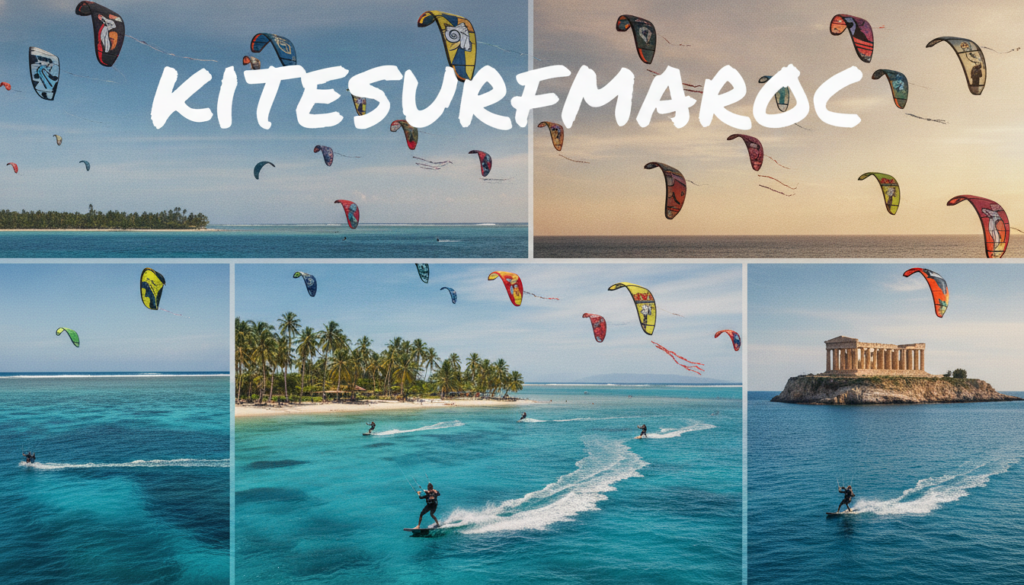
Diverse Kite Spots: From Mauritius to Greece
Diverse kitesurfing spots around the globe cater to every rider’s taste. One standout location is Le Morne in Mauritius. This island destination features the renowned One Eye wave for advanced riders, the more forgiving Manawa, and a separate lagoon for beginners.
Beyond the thrill of riding, Mauritius offers transparent waters, dramatic scenery, a multilingual culture, and a relaxed atmosphere, making it an appealing choice for all.
Drepano is another gem, known for its flat-water conditions and approximately 300 windy days each year. The best times to visit are from April to July and September to October, ensuring stable winds and clear waters.
On the other hand, Cabarete in the Caribbean is a vibrant watersports hub. It brings together kitesurfing, surfing, windsurfing, and SUP within a compact 4-kilometer area. The strongest winds typically occur in June and July, while lighter winds prevail from December to April.
When choosing between these destinations, consider Mauritius for wave variety, Drepano for consistency, or Cabarete for its lively nightlife and sporting culture.
Journey Across Continents: Top U.S. Accessible Spots
Identifying kitesurfing areas that are convenient for American travelers can streamline your plans. Hawaii stands out as an easily accessible option, especially for those on the West Coast. Maui and Oahu offer stunning conditions, despite challenges like high costs and localism.
Punta San Carlos is another fantastic choice, located about a nine-hour drive from the California border. This remote spot is perfect for adventurous road-trippers willing to camp under the stars.
Puerto Rico provides exciting options too, with Shacks Beach and San Juan. However, it’s important to note that shallow reefs and variable winds require experience. The main wave season runs from December through April, making it a prime time to visit.
When planning your trip, consider airport transfers, vehicle needs, and luggage logistics. Each destination has its unique access points, which can impact your overall experience.
Expert Travel Tips for Kitesurfers of Every Level
Effective travel tips can significantly enhance your kitesurfing experience. For beginners, it’s essential to prioritize safety and comfort. Focus on areas with:
- Standing areas for easy launching.
- Rescue services available for emergencies.
- Professional instruction to build confidence.
- Predictable wind patterns for consistent riding.
- Shallow or protected water to ensure safety.
For advanced riders, packing the right gear is crucial. Consider bringing a 4/3 wetsuit for Cape Town and a 3/2 wetsuit for the cooler waters of Northern Peru.
Always confirm your airline’s sports-luggage rules, as policies may change. The current allowance from Royal Air Maroc could be different by 2026.
Before launching into unfamiliar spots, arrange airport transfers, rental cars, and local guides. This preparation will help ensure a smooth experience. Additionally, build flexible days into your itinerary, as Cape Town can alternate between windy days and calm periods.
Insider Advice: Navigating Kitesurf Challenges
Navigating the challenges of kitesurfing can often feel daunting. Popular spots like Cape Town can become extremely crowded during the high season. To escape the hustle, experienced riders can take downwinders from Dolphin Beach toward Big Bay. This route offers a chance to enjoy the water while avoiding the main launches.
When Blouberg’s wind direction or water state doesn’t suit your needs, consider checking out nearby Langebaan and Hermanus. These areas provide alternative conditions that may better match your skills.
However, be cautious when venturing to places like One Eye, Ponta Preta, Lakey Peak, Madagascar, and Puerto Rico. These spots can involve reefs, strong currents, and powerful breaking waves. Always match your skill level honestly with the conditions. Cape Town’s 16 knots can feel much stronger than in other locations.
Lastly, remote destinations such as Madagascar and Punta San Carlos require careful planning. Ensure you have strong self-rescue preparation, necessary supplies, and reliable communication for a safe adventure.
Benefits of Combined City Life and Kite Spots
Exploring kitesurfing destinations alongside vibrant city life enhances the overall experience. Cape Town’s Blouberg riding area is just 30 minutes from the city center. This proximity allows for a mix of thrilling kite sessions and urban adventures.
For those seeking social interaction, Pakalolo serves as a popular kite bar, where kitesurfers can unwind after a day on the water. Cape Town’s infrastructure supports longer stays, making it ideal for mixed groups.
In contrast, Cabarete offers a lively Caribbean atmosphere with activities like yoga, kickboxing, and SUP yoga. Its vibrant nightlife and diverse restaurants make it perfect for active companions.
Meanwhile, Jericoacoara captivates visitors with nightly live music, charming barefoot streets, and refreshing sunset caipirinhas. Such destinations enrich the experience for both kiting enthusiasts and their non-kiting partners.
Ultimately, locations with strong local culture reduce pressure on those not participating in kitesurfing, ensuring enjoyable no-wind days for everyone.
Accessing Reliable Kitesurf Information & Guides
Accessing accurate kitesurfing information can significantly enhance your trip. To ensure a successful experience, it’s vital to leverage expert reviews and various web sources. This approach helps you find reliable spots and understand local conditions.
Before booking, compare independent guides, local schools, and current forecasts. Official travel advice and recent safety reports are also essential. Remember, the information you find often comes from average kitesurfers, guests, and friends. Therefore, it’s wise to verify details locally before launching.
For the latest updates on Dakhla, utilize resources like KITESURFMOROCCO and KITESURF MAROC. They provide valuable insights on accommodation, transfers, lessons, and launch guidance. Additionally, detailed guides clarify wind direction, nearby alternatives, and suitable rider levels.
For more information, check out this resource link for your Morocco trip research.
| Destination | Wind Conditions | Best Season | Suitable Levels |
|---|---|---|---|
| Dakhla | Consistent | April – September | All levels |
| Jericoacoara | Reliable | August – December | All levels |
| Cabarete | Variable | June – July | Intermediate – Advanced |
Planning Your 2026 Kite Trip: Weather and Timing
Timing your kitesurfing adventure is essential for optimal conditions. Each destination has its peak season, making it vital to plan ahead.
For instance, Jericoacoara and Macapá shine from August through December. Cape Town is best visited during the Southern Hemisphere summer, from December to February, with good winds starting as early as October.
Dakhla’s prime wind season runs from April to September, while its best waves can be found from October to March. If you’re looking for Mauritius, aim for June through September for the One Eye and lagoon conditions.
Drepano suits kitesurfers from late spring to early fall, particularly from April to July and September to October. Northern Peru offers strong winds from May through November, while Puerto Rico’s best swell opportunity occurs in February and March.
When planning, consider booking flexible accommodations and adding buffer days. Wind statistics can vary between seasons and years. Always verify current forecasts, event calendars, airline policies, visa rules, and local safety information before finalizing your 2026 plans.
Local Culture and No-Wind Activities at Kite Spots
Experiencing local culture and activities beyond kiting can greatly enhance your adventure. Each destination offers unique experiences that complement your time on the water.
In Cape Town, you can build a no-wind itinerary around activities like hiking Table Mountain or enjoying wine tasting in the nearby vineyards. Don’t miss the chance to visit penguins at Boulders Beach or embark on a thrilling safari. The city also boasts vibrant concerts and bustling neighborhoods perfect for exploration.
Travelers heading to Egypt can indulge in diving, snorkeling, and yoga during kite safaris. These activities are ideal when the Red Sea forecast pauses, ensuring your adventure continues.
Jericoacoara presents a complete Brazilian experience with its moving dunes, live music, and charming barefoot village. You’ll find plenty of restaurants and supermarkets, along with refreshing sunset caipirinhas to enjoy after a day on the water.
Meanwhile, Northern Peru is famous for its inexpensive fresh seafood, including tuna and swordfish. This culinary delight adds a major cultural benefit beyond its wave breaks.
Remember, meaningful local experiences help non-kiting partners enjoy the trip even when the wind forecast disappoints.
| Destination | No-Wind Activities | Cultural Highlights |
|---|---|---|
| Cape Town | Hiking, Wine Tasting, Safari | Penguin Visits, Concerts |
| Egypt | Diving, Snorkeling, Yoga | Kite Safaris |
| Jericoacoara | Live Music, Sunset Caipirinhas | Moving Dunes, Restaurants |
| Northern Peru | Seafood Dining | Fresh Fish Markets |
Conclusion
Deciding on a kitesurfing location can be a complex process. Dakhla, Cape Town, Northern Peru, Mauritius, Brazil, Egypt, and Greece each excel in catering to different riding goals and travel styles.
For spacious lagoon riding, Dakhla is a top choice. If you seek advanced wind and wave action, look no further than Cape Town. Meanwhile, Northern Peru offers uncrowded wave adventures for those in search of solitude.
Beginners should prioritize instruction and rescue coverage, while experts must respect local reefs, currents, and crowds. Always match your destination with seasonal timing, equipment needs, and personal skill levels.
For those planning a trip to Morocco, check out KITESURFMOROCCO and KITESURF MAROC for valuable insights. You can also find further planning information at this resource link.