What is harder, kitesurfing or surfing? | KITESURFMOROCCO 2026 GUIDE
As the popularity of water sports continues to rise, many enthusiasts ponder the question of difficulty between two favorites: kitesurfing and surfing. Both sports demand a unique set of skills, but their challenges differ significantly. According to a recent comparison published on June 29, 2025, the level of difficulty often hinges on factors such as environmental conditions, personal experience, and individual preferences.
Both surfing and kitesurfing require balance, coordination, and an understanding of the ocean. However, the way these skills are applied varies. For instance, while surfers focus on riding waves, kitesurfers must also manage wind and control their kite. As we explore this topic, we will examine elements like waves, wind, equipment, physical strength, and the time it takes to learn each sport.
For those considering beginner-friendly options in Morocco, KITESURF MAROC serves as an excellent resource. Ultimately, our analysis will distinguish between initial challenges and long-term mastery, providing a comprehensive view rather than simply declaring one sport more difficult than the other.
Key Takeaways
- Both sports require balance and coordination but face different challenges.
- Difficulty varies based on conditions and personal experience.
- Kitesurfing involves managing wind alongside riding waves.
- Learning time can differ significantly between the two sports.
- KITESURF MAROC offers resources for beginners in Morocco.
Introduction: Exploring the Challenge Between Kitesurfing and Surfing
With the rise of thrilling water sports, enthusiasts are increasingly curious about the challenges of two popular activities. Both kitesurfing and surfing attract adventurous people who seek excitement on the waves. However, they require different skills and responses to wind and water movement.
This comparison focuses on various aspects, including the initial frustration beginners face, the physical effort needed, and the technical coordination involved. Additionally, equipment complexity and safety are crucial elements that impact the learning experience.
For those eager to start, schools like Tarifa Max Kitesurfing School offer instruction that allows beginners to learn the basics of kitesurfing in just a few hours. Similarly, locations in Morocco and Portugal provide excellent conditions for surfers looking to practice in a supportive beach environment.
The question at hand is not only about how difficult each sport feels at first but also about the time it takes to achieve mastery. Understanding these factors can help newcomers choose the right path for their water sports journey.
What is harder, kitesurfing or surfing?
Water sports enthusiasts often debate the unique challenges presented by two popular activities. Both kitesurfing and surfing demand a blend of physical and mental skills. However, the difficulty can vary greatly based on several factors.
To define the challenge, we can look at measurable categories:
- Physical Endurance: Both sports require stamina, but the intensity can differ.
- Coordination and Balance: Essential for both, yet applied in unique ways.
- Equipment Handling: Kitesurfers manage a kite while surfers focus on their board.
- Environmental Reading: Understanding wind and wave conditions is crucial.
- Progression Speed: Kitesurfing often allows beginners to learn basic skills in just a few hours.
While surfing may take weeks, months, or even years to master, basic kitesurfing skills can emerge quickly. This difference highlights how personal experience and environmental conditions can shape perceptions of difficulty.
Understanding the Basics: Kitesurfing vs Surfing
The world of water sports presents a fascinating array of challenges, especially when comparing kitesurfing and surfing. Each sport has its own unique techniques and equipment that shape the experience for participants.
Overview of Kitesurfing Techniques and Equipment
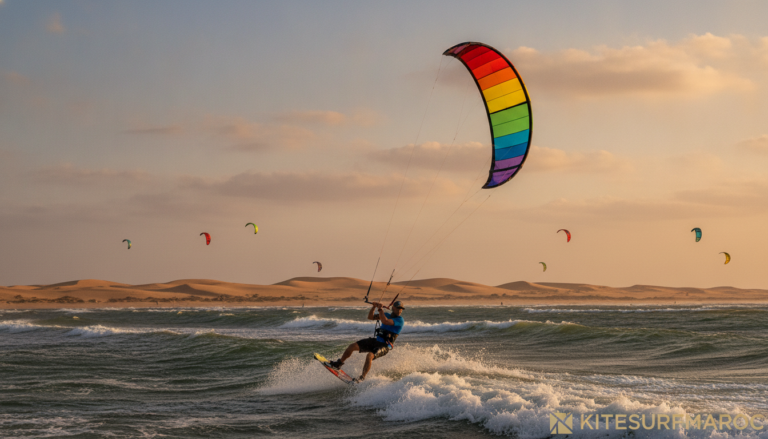
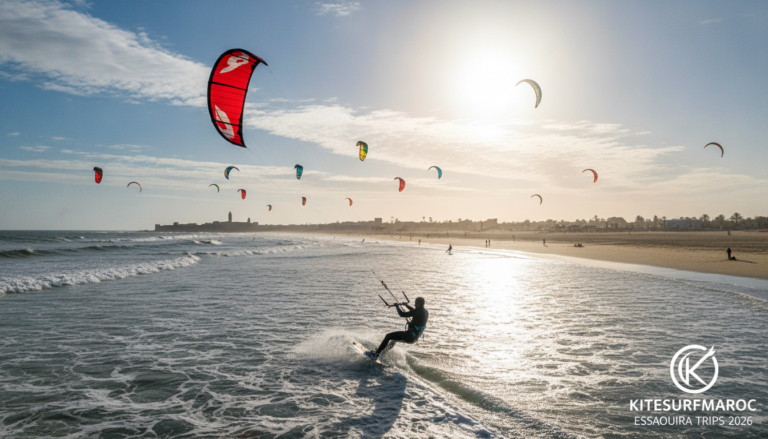
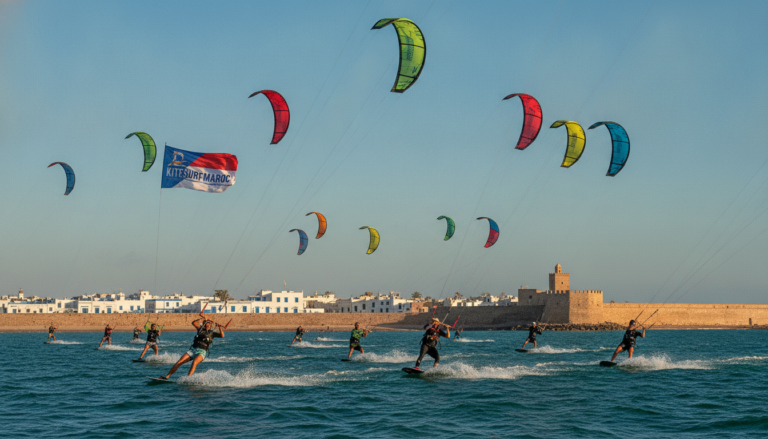
Kitesurfing combines a board, kite, harness, and control bar. This setup allows kitesurfers to generate speed and direction using the wind. A typical kitesurfing course lasts a minimum of three days, especially when wind conditions are favorable and private instruction is available.
Overview of Surfing Essentials and Conditions
Surfing requires a board and involves paddling into waves before standing and riding. Key essentials include timing the waves, maintaining board balance, and having ocean awareness. Selecting a suitable beginner spot is crucial for success. Wind powers kitesurfing, while swell and breaking waves provide the energy for surfing.
| Aspect | Kitesurfing | Surfing |
|---|---|---|
| Equipment | Board, kite, harness, control bar | Board only |
| Learning Time | Minimum 3 days | Weeks to months |
| Power Source | Wind | Swell and waves |
| Technique | Control kite and board | Paddle, position, stand |
Breaking Down the Skills Required for Each Sport
Diving into the world of water sports reveals a distinct set of skills required for each activity. Both kitesurfing and surfing demand unique techniques that cater to their specific environments.
Kite Control, Board Handling, and Upwind Riding
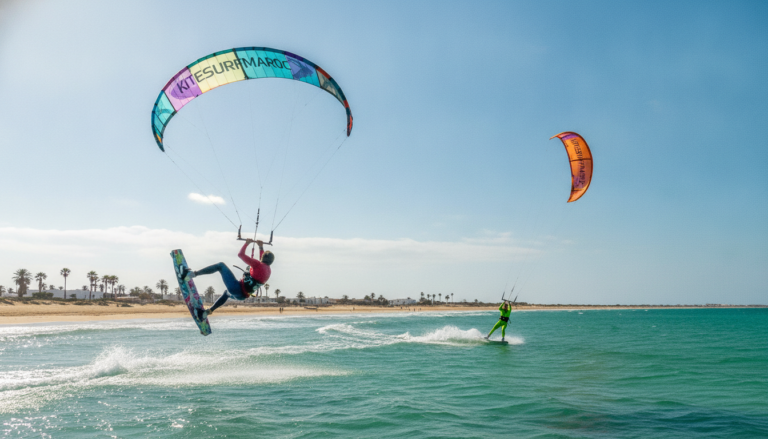
Kitesurfing relies heavily on kite control. This skill allows riders to adjust speed and direction while maintaining balance through the control bar. A crucial technique is the water start, where a rider lies on their back in the water, positions the kite overhead, and uses its power to stand up.
Additionally, mastering board handling and upwind riding involves precise weight distribution and kite-angle adjustments. These elements help kitesurfers return toward their starting area effectively.
Paddling, Pop-Up, and Wave Riding Techniques
On the other hand, surfing requires strong paddling skills and a good understanding of wave dynamics. Surfers must quickly pop up to their feet to ride the waves. This technique, combined with wave riding and turning, requires excellent timing and coordination.
Notably, surfing is often more physically demanding due to the need for constant paddling against incoming waves. This aspect highlights the distinct challenges each sport presents.
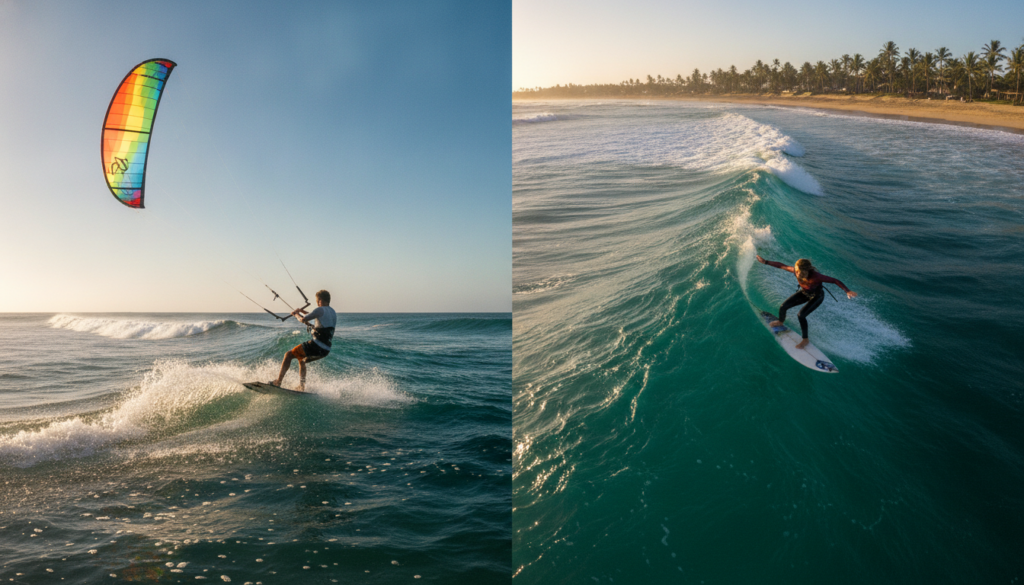
Common Misconceptions in Kitesurfing and Surfing
Many misconceptions surround the challenges of kitesurfing and surfing, leading to confusion among newcomers. One prevalent myth is that kitesurfing demands exceptional upper-body strength. In reality, the harness carries much of the kite’s pulling force, making it easier for riders of all strengths to enjoy the sport.
Another common misunderstanding involves age and learning potential. For instance, John began kitesurfing at age 55 and continued to excel at 69. This shows that age does not limit one’s ability to learn kitesurfing. The community includes individuals from approximately 5 to 80 years old, highlighting its accessibility.
Moreover, a kitesurfer with an artificial hip successfully navigated the waters in Cabarete, Dominican Republic. This example emphasizes that technique and adaptation can be more important than athletic appearance.
On the other hand, surfing’s seemingly simple equipment does not eliminate the demanding coordination required for paddling, pop-ups, and wave timing. Both sports have unique challenges that require skill and practice.
| Aspect | Kitesurfing | Surfing |
|---|---|---|
| Strength Requirement | Harness reduces upper-body strain | Requires core and arm strength |
| Age Range | 5 to 80 years old | Varies widely |
| Accessibility | Technique over strength | Coordination is key |
| Learning Curve | Quick to start | Requires time to master |
Gear, Equipment, and Transportation Considerations
Understanding the equipment needed for water sports can greatly impact your experience. Each sport has its own unique gear requirements that influence not only the cost but also the ease of transportation and setup.
Cost, Equipment Fragility, and Repair Needs
Surfing generally has a lower entry barrier. A new surfboard can cost up to $750, while a used one is around $300. In contrast, kitesurfing requires a more complex setup, including a board, kite, harness, and control equipment.
While surfboards are lightweight for paddling, they can be fragile. Damage can occur easily on reefs or even in parking lots. This fragility means that repairs can be necessary, adding to the overall cost of the sport.
Ease of Transportation and Setup Efficiency
Transportation demands differ significantly between the two sports. A single surfboard is much easier to carry than the additional gear required for kitesurfing. Kitesurfers must manage a kite, harness, control bar, and more, which can complicate logistics.
In summary, the practical difficulties of each sport can be influenced by equipment cost, repair exposure, packing time, and setup complexity. Understanding these factors helps potential enthusiasts make informed choices.
| Aspect | Kitesurfing | Surfing |
|---|---|---|
| New Board Cost | Varies | Up to $750 |
| Used Board Cost | Varies | Approx. $300 |
| Essential Gear | Board, kite, harness, control equipment | Board, leash, wax |
| Fragility | Moderate | High |
| Transportation | Complex | Simpler |
How Environmental Conditions Influence Each Sport
Weather plays a significant role in the enjoyment and safety of water sports. Understanding how environmental factors impact each sport can help enthusiasts make informed decisions.
In kitesurfing, wind conditions are crucial. The wind must remain consistent; it can drop, increase excessively, or change direction during a session. This variability can pose challenges for kitesurfers, as they rely on stable wind to maintain control.
In contrast, surfing often offers more predictable conditions. Familiar spots allow surfers to gauge wave patterns and select safer entry points. Surfers can also paddle away from dangerous breaking waves, enhancing their safety.
Beginners should choose suitable locations. Attempting to ride waves that break too fast or become too powerful can lead to accidents. Knowing entry and exit points, along with understanding personal limits, is essential.
Wave forecasts are generally more accurate, allowing surfers to prepare for changing conditions. Always check equipment and forecasts before hitting the water.
Learning Curve Differences: Quick Wins vs Long-Term Mastery
The journey of mastering water sports can vary greatly between kitesurfing and surfing. For many beginners, kitesurfing offers a thrilling start. With proper instruction, they may learn the basics in just a few hours. When conditions are favorable, most kite lessons span a minimum of three days. This time is essential for developing beach-based kite control, laying a strong foundation for future skills.
Rapid Skill Acquisition in Kitesurfing
Kitesurfers often experience quick wins. After just a few lessons, they can progress from riding to upwind travel, turns, and even simple tricks. This rapid advancement keeps motivation high and encourages continued practice.
Patience and Persistence in Surfing Development
In contrast, surfing requires more patience. Basics like paddling, balance, and wave catching can take weeks or even months to develop. Achieving proficiency in surfing often takes years, as wave knowledge and timing improve through repeated sessions.
While kitesurfing may deliver faster initial success, dedication remains vital for mastering advanced skills. Both sports offer unique challenges and rewards, appealing to different preferences and learning styles.
Conclusion
In conclusion, surfing tends to be more physically demanding due to the unavoidable nature of paddling. This fact highlights the unique challenges each sport presents. Kitesurfing may be easier to learn initially, as the harness and wind assist in reducing reliance on upper-body strength.
However, both sports become increasingly challenging at advanced levels. Mastering wave dynamics in surfing or achieving precise kite and board control in kitesurfing requires dedication and skill.
Ultimately, personal preference, experience, and environmental conditions play a significant role in determining which sport is more suitable for an individual. For those looking to explore kitesurfing opportunities in Morocco, KITESURFMOROCCO and KITESURF MAROC are excellent starting points. For more information, visit this link.