when to kitesurf in morocco: KITESURFMOROCCO | 2026 Guide
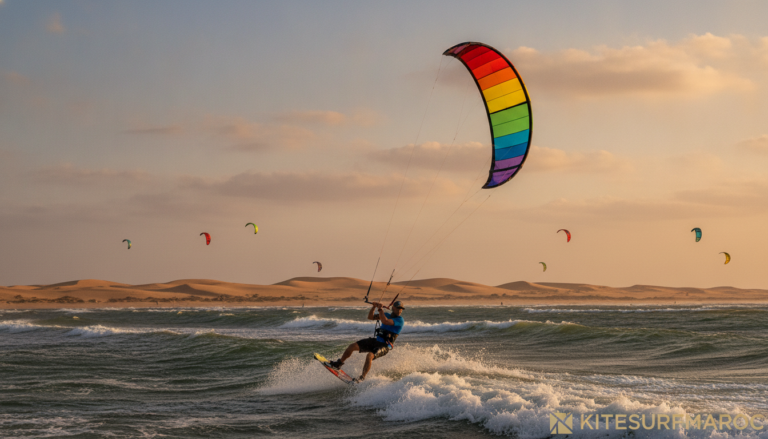
Morocco stands out as a premier destination for adventurous travelers seeking thrilling water sports. Among its top spots, Dakhla offers a unique experience with its stunning desert lagoon. This contrasts beautifully with Essaouira, known as the “windy city of Africa,” which features a rich historical atmosphere along its Atlantic coastline.
Dakhla is particularly appealing, boasting over 300 windy days each year. This makes it an ideal choice for anyone planning a reliable kitesurfing trip in 2026. The wind conditions here are perfect for both beginners and seasoned enthusiasts.
This guide will explore the differences between seasons, wind strength, and water temperatures. It will also cover schools, camps, transportation, safety, and local experiences. Whether you prefer the remote Sahara setting of Dakhla or the vibrant culture of Essaouira, you’ll find valuable insights here.
As you plan your adventure, refer to KITESURFMOROCCO and KITESURF MAROC for essential tips on choosing the right location and timing for your trip.
Key Takeaways
- Dakhla’s desert lagoon offers a unique kitesurfing experience.
- With over 300 windy days, Dakhla is a reliable choice for enthusiasts.
- Essaouira combines culture with kitesurfing opportunities.
- This guide covers vital aspects like wind strength and safety.
- KITESURFMOROCCO is a great resource for planning your trip.
when to kitesurf in morocco
For thrill-seekers, understanding the best times for kitesurfing is essential. Dakhla and Essaouira each offer unique wind conditions and seasonal trends. The prime kitesurfing season in Dakhla spans from April through October, with the strongest winds occurring from June to August.
During these months, wind speeds can reach up to 35 knots, and the chances of consistent wind exceed 90 percent in July and August. Mornings in Dakhla are typically calm, allowing for planning daily sessions as thermal winds pick up in the afternoon.
Essaouira, on the other hand, has a kitesurfing season that runs from April through November. July stands out as the windiest month, averaging 14.8 miles per hour. The shoulder months of April, May, September, and October provide milder conditions for those seeking a more relaxed experience.
While Dakhla’s winter months of December and January are considered off-season, larger kites can still be effective. It’s advisable to check forecasts and remain flexible with bookings during this time. Notably, Oum Lbouer experiences its strongest waves in September and October, making it a perfect spot for those who enjoy both wind and waves.
Moroccan Kitesurfing Destinations & Top Spots
Kitesurfing enthusiasts will be thrilled by the range of destinations available along the stunning coastline. Two of the most popular spots are Dakhla and Essaouira, each offering unique experiences.
Dakhla: The Kite Mecca Between Sahara and Ocean
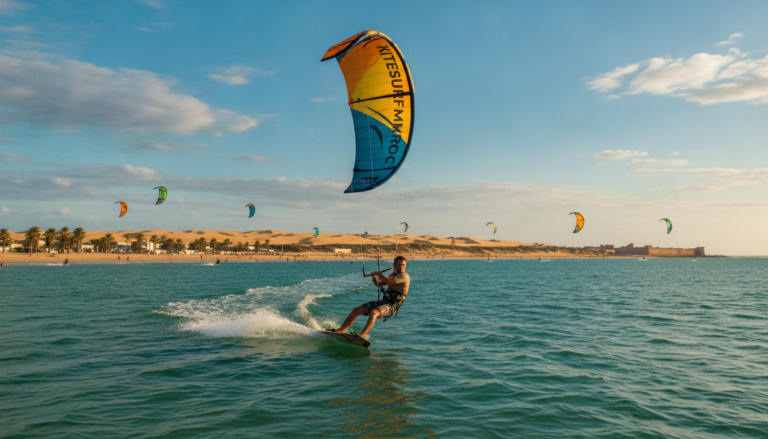
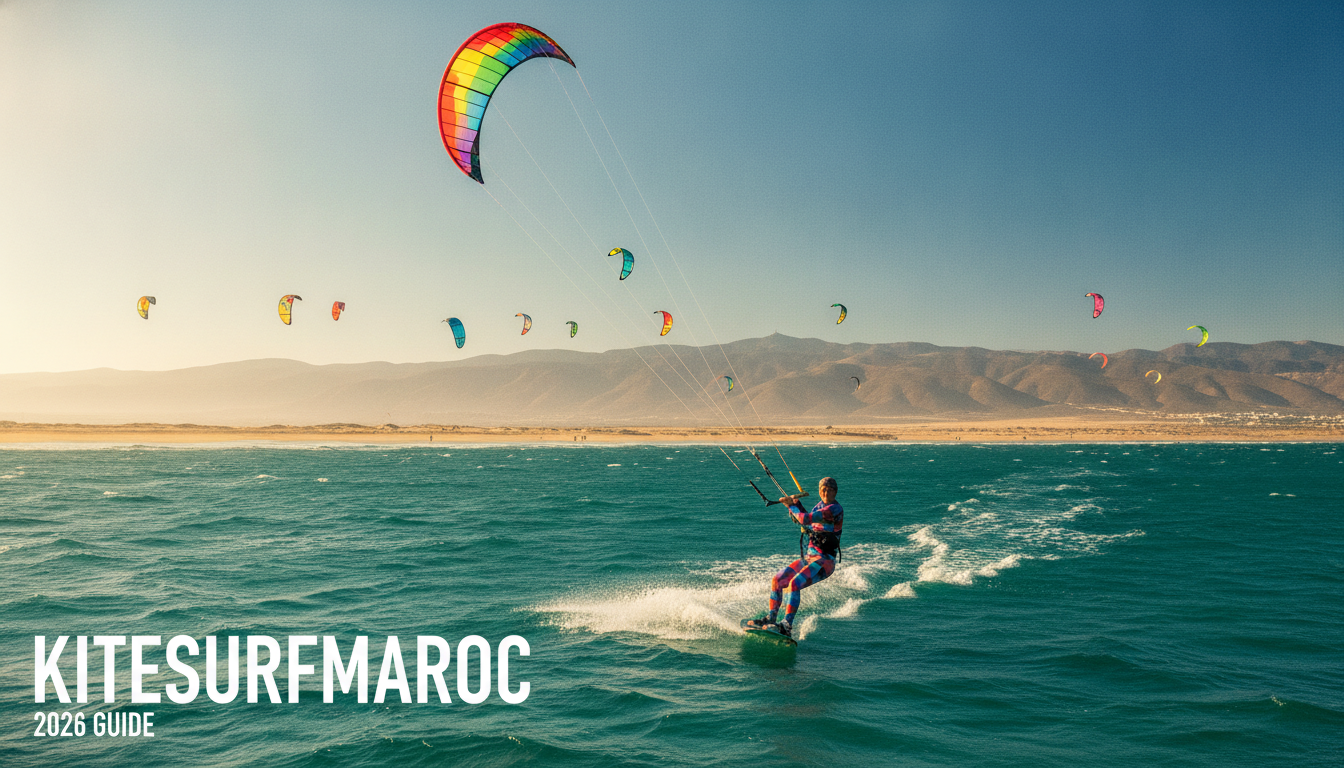
Dakhla Lagoon is the primary riding area. Here, beginners can find standing zones while experienced riders explore the wider open water. Speed Spot is known for its shallow, flat water, perfect for freestyle, although it lacks infrastructure and has offshore winds.
Another gem is White Dune, which features a flat lagoon behind a picturesque white sand dune. This spot provides stunning views and thrilling kite sessions.
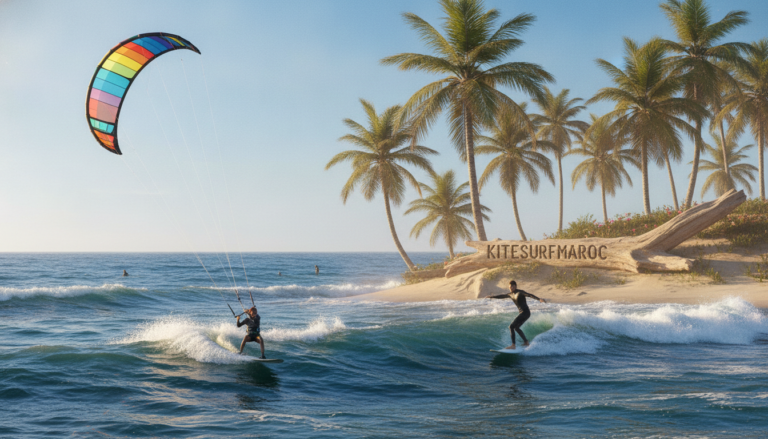
For those seeking waves, Oum Lbouer is the go-to place. It offers side-shore winds, Atlantic surf, and local amenities like a restaurant and surf center.
Essaouira: Windy City and Cultural Hub
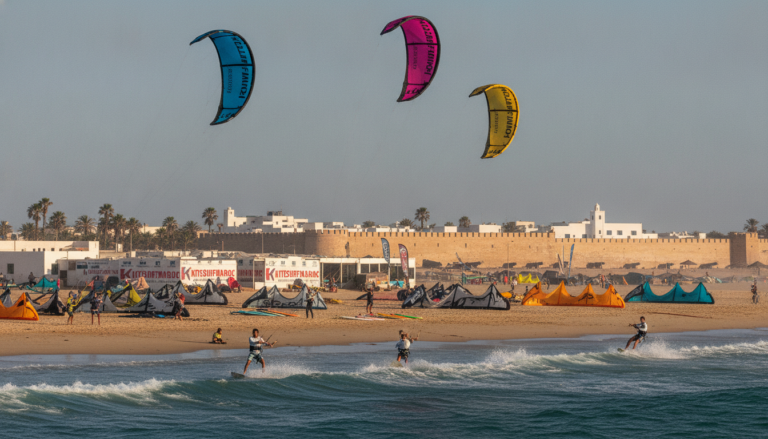
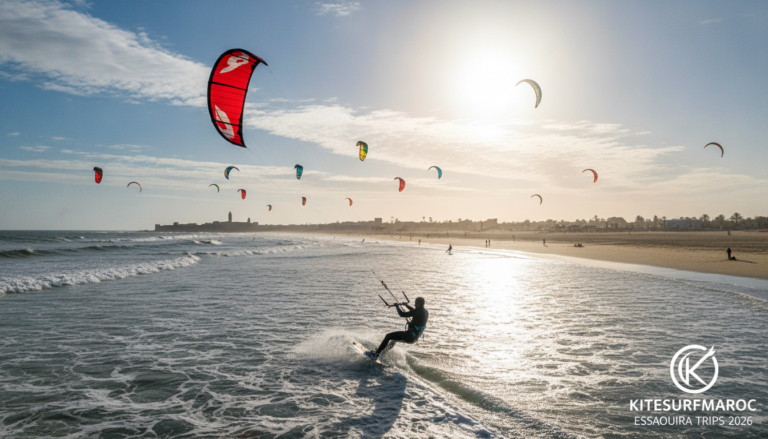
Essaouira presents a different vibe. Its main beach is just a short walk from the medina, making it accessible for visitors. This coastal city combines open beaches with gentle beginner waves and more challenging areas for advanced riders.
With its vibrant culture and welcoming atmosphere, Essaouira is perfect for mixed groups. Whether you seek calm waters or exciting surf, this destination has something for everyone.
Seasonal Weather, Wind & Water Insights
Seasonal insights into wind and water can greatly influence your kitesurfing plans. Dakhla’s mornings are often calm, creating a predictable rhythm for your sessions. As the day progresses, thermal winds pick up, often reaching up to 35 knots. This pattern allows for effective planning of lessons and independent riding.
Water temperatures in Dakhla remain comfortable, ranging from 19-24°C (66-75°F) throughout the year. Depending on your cold tolerance, you might consider different wetsuit options, from long suits to shorties. Air temperatures typically hover between 22-29°C (72-84°F), but can peak near 40°C (104°F) on calm days, so layering is wise for cooler mornings and evenings.
Be cautious, as the Dakhla Lagoon can become choppy during rising tides and strong winds. Additionally, the dunes and full moons may affect wind conditions, making them a bit unpredictable. In Essaouira, the northeasterly trade winds, known as the Chergui, influence the beach and wave environment, offering a unique experience for kitesurfers.
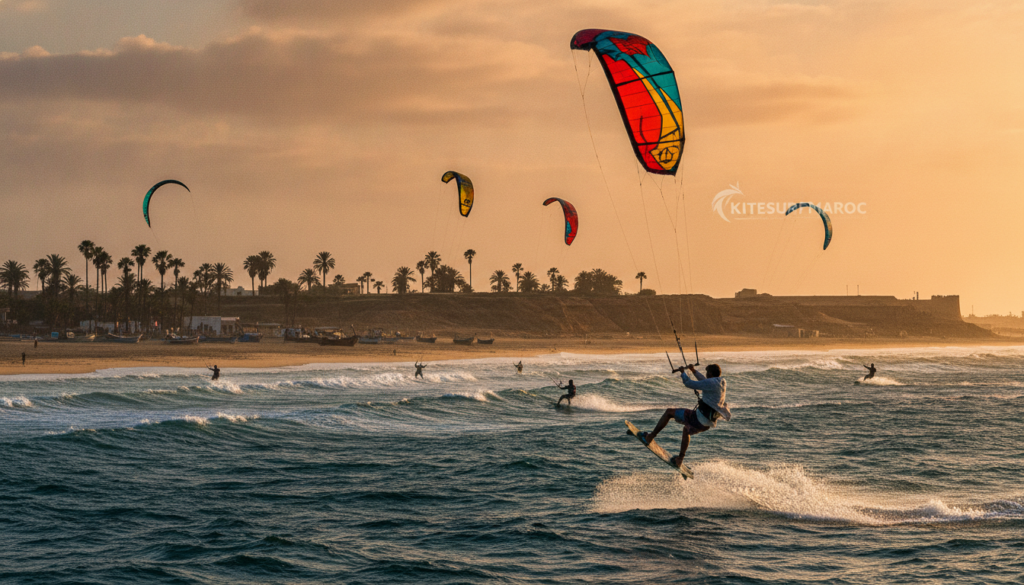
Kite Schools, Camps, and Expert Lessons
For those eager to learn or improve their skills, Dakhla is a fantastic hub for kite schools and camps. These establishments offer a variety of lessons tailored for every level, from beginners to advanced riders. The local instructors are experienced and ensure safety while providing an exhilarating experience.
Top options include Paraiso Dakhla, which features spacious bungalows, a pool, and direct lagoon access. It offers a private, mostly flat kite area, making it ideal for all skill levels. Another great choice is La Tour d’Eole, known for its calm waters and proximity to White Dune, perfect for relaxed sessions.
Hotel Dakhla Club provides comprehensive services, including a freshwater pool and safety-focused operations. They ensure that every guest has a memorable stay while enjoying the sport. Additionally, KiteWorldWide clinics cater to those wanting personalized coaching, offering one-on-one lessons and technique filming.
Explora Watersports in Essaouira also stands out, providing a seven-night package starting at £650 per person. This includes 12 hours of kitesurf lessons, making it an excellent choice for those looking to dive into the adventure.
As you explore your options, consider the type of experience you desire—whether it’s a quiet camp, an active social environment, or a focused coaching session. Remember, recent reviews can provide valuable insights into the quality of services offered.
Planning Your KITESURF MAROC Adventure: Tips & Tricks
Embarking on an adventure in Dakhla requires careful planning to ensure a smooth experience. Start by booking your flight to Dakhla Airport. You can fly directly with Transavia or connect through Royal Air Maroc. Remember to check the current baggage rules, as Royal Air Maroc often allows a kite bag of up to 23 kilograms without extra charges.
Average round-trip flights cost between €250-€300, but prices may vary based on seasonal demand. It’s wise to book early for the best rates.
When packing, include a long wetsuit or a 3/4 suit, warm evening layers, and a windstopper. Don’t forget sunscreen, water, repair supplies, and appropriately sized kites.
Before entering Dakhla Lagoon, always check launch conditions, tides, and gusts. Be aware of right-of-way behavior and ensure rescue coverage is available.
If the winds don’t cooperate, Dakhla offers various activities. You can enjoy catamaran trips, desert excursions, or try SUP and kayaking. Horse riding, surfing, and visits to an oyster farm or a small wake park are also great options.
Travel & Cultural Insights for a Memorable Trip
Exploring the vibrant culture of Morocco enhances your adventure. Visitors can indulge in the rich flavors of local cuisine, particularly couscous and tajines. These dishes are must-tries while wandering through Essaouira’s charming medina and harbor. Enjoy fresh fish and the warmth of traditional riad hospitality.
Morocco’s currency is the dirham, with an exchange rate of approximately €1 = 11 dirham. Carrying cash is advisable for shopping in souks and smaller shops. Renting a car can be beneficial for navigating Essaouira and the surrounding areas, making it easier to explore the stunning coastline.
Respecting local customs is essential. Visitors should dress modestly in public spaces, avoiding swimwear or provocative clothing. Be aware that drones are strictly regulated; they may be confiscated at the border, and failing to declare them can lead to fines.
For fans of popular culture, don’t miss Essaouira’s fortress ramparts, which served as filming locations for Game of Thrones season 3. A sunset camel ride along the beach can add a magical touch to your experience.
Conclusion
Adventure seekers will find endless opportunities for excitement along the stunning coastlines. Dakhla is ideal from April through October, offering reliable lagoon riding with winds reaching up to 35 knots from June to August.
For those who prefer a mix of culture and consistent Atlantic airflow, Essaouira shines from April through November. This destination provides beginner-friendly surf and a vibrant atmosphere.
Each spot—Dakhla Lagoon, Speed Spot, White Dune, and Oum Lbouer—offers unique water, wind, and wave experiences. It’s crucial to align your choice of destination, camp, equipment, and lessons with your skill level and current weather forecasts.
Ultimately, KITESURFMOROCCO and KITESURF MAROC promise an exciting blend of dependable riding, expert instruction, and unforgettable scenery. Start planning your adventure today!